
Table of Contents
- Roadside Assistance vs. Loyalty Towing Membership
- Best Roadside Assistance Plans Available in 2026
- Pay-Per-Use Roadside Assistance vs. Subscription Models
- Credit Card Roadside Assistance Benefits
- Comparison Table: Roadside Assistance Options
- How to Choose the Right Roadside Assistance Alternative
- What to Know About Towing Distance and Cost Transparency
- Conclusion
- Frequently Asked Questions
Last Updated: August 8, 2026
Roadside Assistance vs. Loyalty Towing Membership
When your car breaks down on the highway at 2 AM, you need help fast, not a decision tree about membership costs. Yet that’s exactly what roadside assistance alternatives force you to consider: pay upfront for an annual membership you might not use, or gamble on paying per incident when you need help most.
The difference between a loyalty towing membership and standalone roadside assistance alternatives comes down to predictability versus flexibility. A membership locks in your costs and guarantees service priority, but only if you use it enough to justify the annual fee. Pay-per-use services eliminate the commitment, but they can surprise you with higher costs when emergencies happen. Fast Towing San Diego has served vehicle owners across the region, helping them navigate exactly this choice, whether to commit to a plan or stay flexible.
The real tension isn’t which option is “better.” It’s which one matches your actual driving habits, vehicle reliability, and tolerance for uncertainty. Most drivers overestimate how often they’ll need roadside assistance, which is why membership plans often go unused. Conversely, drivers who experience frequent breakdowns or drive older vehicles often wish they’d committed to a plan after their third pay-per-use charge.
This guide breaks down the economics of both approaches, compares specific alternatives available in 2026, and shows you how to calculate which option will cost less over the next year based on your specific situation.
Best Roadside Assistance Plans Available in 2026
The roadside assistance market has fragmented significantly. You no longer choose between “join AAA or go without.” Instead, you’re selecting from membership plans, app-based on-demand services, insurance add-ons, and credit card benefits. Each model serves different driver profiles.
Annual Membership Plans
Annual membership plans charge a fixed fee upfront and cover unlimited service calls throughout the year. Good Sam Roadside Assistance exemplifies this model: their Platinum Auto plan costs $49.95 annually and includes unlimited towing to the nearest service facility, family coverage for spouses and dependent children, and trip interruption coverage up to $1,000. The unlimited towing distance to the nearest facility is the key differentiator, you’re not paying per mile; you’re paying one flat rate for the year.
Better World Club offers a sustainability-focused alternative, starting at $69.95 annually for their Basic Auto plan. Their Basic plan includes 5 miles of towing, while Premium plans extend to 100 miles. The appeal here isn’t just roadside assistance; it’s the environmental angle. They donate 1% of revenue to environmental causes and offer discounts for hybrid and EV owners. If you care about your carbon footprint, this membership pays you back in principle alignment as much as service coverage.
The membership model works best for drivers who either drive frequently, own older vehicles prone to breakdown, or simply want peace of mind. The annual commitment is low enough that even occasional use breaks even. However, renewal pricing often increases, and you’re locked into coverage limits that may not match your actual needs.
Pay-Per-Use Roadside Assistance Services
HONK disrupted the roadside assistance market by eliminating membership entirely. You download the app, request help when you need it, and pay $49 per service call (starting price; costs vary by service type and location). The app connects you with local towing and roadside service providers in real time, showing you the estimated arrival time before you confirm the booking.
Allstate’s pay-per-use roadside assistance follows a similar model but operates through their website and mobile app. Services typically cost a minimum of $154 per tow, with other services starting at $69 per call, depending on the type of assistance needed. Allstate’s advantage is brand recognition and integration with their insurance platform if you’re already a customer, though the service is available to non-Allstate customers as well.
Pay-per-use services appeal to drivers who rarely break down, own newer vehicles with manufacturer warranties, or simply don’t want to pay for coverage they’re unlikely to use. The transparency of upfront pricing eliminates surprise charges, you know the cost before confirming service. The trade-off is that costs add up quickly if you need roadside assistance more than once or twice annually.
Insurance-Based Roadside Coverage
GEICO’s Emergency Road Service is an affordable option in this category, available as an add-on to existing auto insurance policies for approximately $14 annually. Coverage includes towing up to 20 miles, jump-starts, flat tire changes, fuel delivery, and lockout service. The catch is the 20-mile towing limit, anything beyond that requires additional payment.
Insurance-based coverage works best as a supplementary layer if you already carry auto insurance with that provider. The cost is negligible, and it covers common minor emergencies. However, the mileage limits and lack of unlimited service calls make it insufficient as your primary roadside assistance strategy.
App-Based Roadside Coverage
OnStar Guardian App offers a standalone plan for $15 a month. This app provides family safety services including roadside assistance, help in a crash, family locator, and emergency services. You can share the app with up to 7 friends or family members at no additional cost. Roadside assistance services include help with a dead battery, flat tire, fuel delivery, or a tow.
Pay-Per-Use Roadside Assistance vs. Subscription Models
The economics of this choice depend on three variables: how often you need roadside assistance, the average distance you need to travel for service, and your risk tolerance for unexpected charges.
A driver who uses roadside assistance once per year breaks even between paying $49 per incident (HONK) and a $49.95 annual membership (Good Sam). That same driver will spend $98 using HONK twice per year but only $49.95 with Good Sam. The membership becomes more cost-effective the more incidents occur.
Conversely, a driver with a newer vehicle who hasn’t needed roadside assistance in three years has wasted $150 on a membership. For that driver, HONK’s pay-per-use model is objectively smarter.
The hidden variable is response time. Pay-per-use services operate on a network of independent contractors, which can mean longer wait times in rural areas or during peak hours. Membership plans often prioritize calls from members, potentially delivering faster response times. Fast Towing San Diego operates on a different model, available 24/7 with response times that prioritize speed. Their 30-minute average response time (as reported by customers like Miguel, who called during heavy rain) demonstrates how professional towing providers can deliver fast service.
The subscription model also includes family coverage and trip interruption insurance with plans like Good Sam, which add value beyond the basic roadside assistance. Pay-per-use services are transactional; they cover the incident and nothing more.
Credit Card Roadside Assistance Benefits
Many premium credit cards include roadside assistance as a cardholder benefit. Chase Sapphire Reserve, for example, offers roadside assistance that covers up to $50 per incident, up to four times a year. Services can include a tow, battery assistance, tire change, locksmith, or gas.
If you already carry a premium credit card, this benefit is essentially free, you’re not paying extra for the roadside coverage. However, credit card benefits vary widely. Some cover unlimited towing; others cap it at 100 miles or three incidents per year. The coverage is typically limited to the cardholder and immediate family, and claims may require you to file paperwork after the fact rather than calling a dispatch number directly.
Credit card roadside assistance works as a tertiary safety net. It’s valuable if you’re already paying for the premium card, but it shouldn’t be your primary roadside assistance strategy. The lag time in claims processing and limited coverage make it less reliable than a dedicated service.
Comparison Table: Roadside Assistance Options
| Service | Cost Model | Coverage Type | Best For | Key Limitation |
|---|---|---|---|---|
| Good Sam Platinum Auto | $49.95/year | Unlimited towing to nearest facility | Frequent drivers, families, peace of mind | Renewal prices increase |
| Better World Club | $69.95-$119.95/year | 5-100 miles depending on tier | Eco-conscious drivers | Limited towing distance on basic plan |
| HONK | $49 per call | Pay-per-use, transparent pricing | Occasional users, newer vehicles | Costs add up with frequent use |
| Allstate Pay-Per-Use | $69-$154+ per call | Pay-per-use, brand recognition | Non-members seeking flexibility | Variable pricing by location |
| GEICO Emergency Road Service | $14/year | Towing up to 20 miles | GEICO policyholders | Short towing radius |
| OnStar Guardian App | $15/month | Multi-vehicle, crash detection | Families wanting comprehensive safety | Requires smartphone subscription |
| Fast Towing San Diego | Contact for pricing | Professional 24/7 service | San Diego residents, specialized vehicles | Local service area |
How to Choose the Right Roadside Assistance Alternative
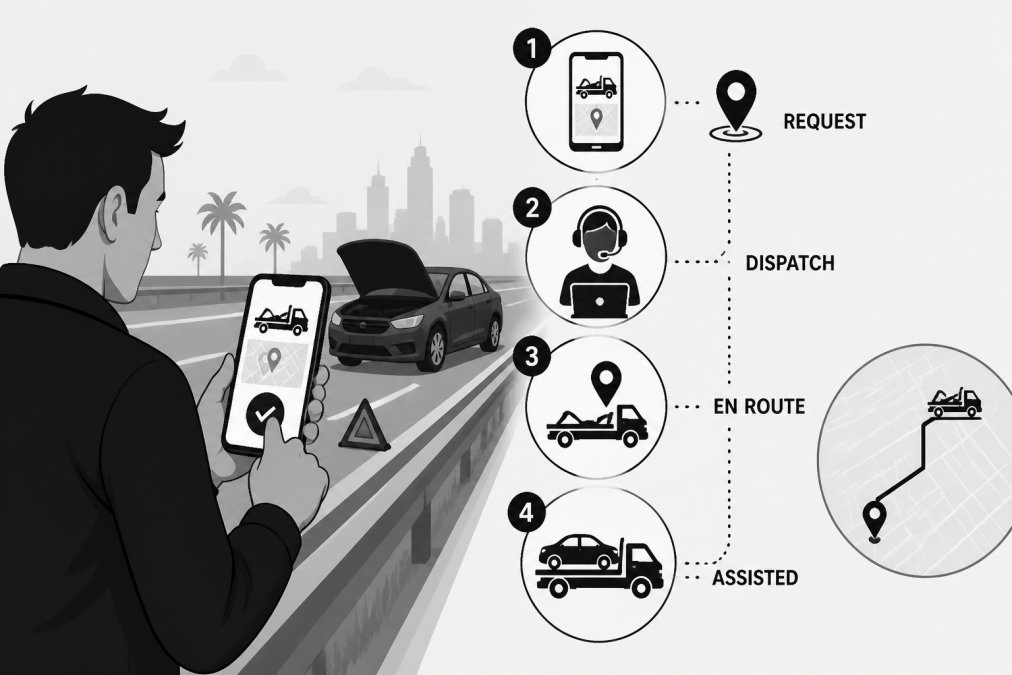
Start by calculating your actual roadside assistance usage over the past three years. Count the number of times you’ve needed towing, jump-starts, tire changes, or lockout service. If that number is zero, a membership plan is probably wasteful. If it’s three or more, a membership almost certainly saves money compared to pay-per-use services.
Next, assess your vehicle’s reliability. Newer cars with manufacturer warranties rarely need roadside assistance before the warranty expires. Older vehicles, high-mileage cars, and specialty vehicles like motorcycles or RVs break down more frequently. Your vehicle’s age and condition should heavily influence your decision.
Consider your driving patterns. If you drive primarily in urban areas with dense service networks, pay-per-use services like HONK work well because help arrives quickly. If you drive rural highways or remote areas, a membership plan with unlimited towing distance is more valuable because independent contractors in sparse regions may charge premium rates for long-distance tows.
Evaluate your tolerance for uncertainty. Some drivers sleep better knowing they’ve paid upfront and won’t face surprise charges. Others prefer the flexibility of paying only when needed. Neither approach is wrong; it’s a personal preference about financial predictability.
Finally, check whether your current auto insurance or credit cards already provide roadside assistance. If you’re an Allstate customer or carry a premium credit card, you may already have coverage that eliminates the need for a separate service. Layering redundant coverage is wasteful.
What to Know About Towing Distance and Cost Transparency
Towing distance is where membership plans and pay-per-use services diverge most sharply. A membership plan might advertise “unlimited towing,” but that typically means unlimited towing to the nearest service facility, not to the specific repair shop you prefer. If the nearest facility is 15 miles away but your preferred mechanic is 30 miles away, you’ll pay out-of-pocket for the extra distance.
Pay-per-use services like HONK and Allstate quote the full cost upfront based on distance and service type. You see the price before confirming the booking. This transparency prevents surprise charges, but it also means a 50-mile tow might cost $150-$200, which exceeds what many drivers expect to pay.
Professional towing providers like Fast Towing San Diego publish their service areas and response time expectations upfront. They don’t hide behind membership tiers or variable pricing models. Knowing exactly what you’ll pay and when help will arrive eliminates the anxiety that comes with calling an unfamiliar service during an emergency.
Distance pricing also varies by region. Urban areas have competitive pricing because multiple towing companies operate in the same market. Rural areas have fewer competitors, which drives prices up. A pay-per-use service in San Diego might charge $75 for a 20-mile tow, while the same distance in a remote area could cost $150. Membership plans shield you from this regional variation.
Conclusion
The choice between a loyalty towing membership and pay-per-use roadside assistance alternatives isn’t about finding the objectively “best” option, it’s about matching your actual usage patterns to the right payment model. Drivers who break down frequently, own older vehicles, or value predictable costs should commit to an annual membership. Drivers with newer cars who rarely need help should stay flexible with pay-per-use services.
For San Diego drivers, Fast Towing San Diego eliminates this trade-off. Available 24/7 with professionally trained drivers and 100+ years of combined experience, they deliver the reliability of a membership plan with the flexibility of on-demand service. Whether you’re dealing with an accident on the freeway, need transport for a specialty vehicle, or simply need a jump-start, their response times and comprehensive assistance, including connections to trusted repair shops, make them the practical choice for drivers who refuse to compromise on either speed or cost. Get started with Fast Towing San Diego and experience roadside assistance that actually shows up when you need it.
Frequently Asked Questions
Is it better to pay for roadside assistance as you go or via subscription?
The best choice depends on your driving habits. Pay-per-use roadside assistance works well if you rarely need help and want to avoid annual fees, though costs add up with frequent use. Subscription models offer peace of mind with unlimited service calls and predictable annual costs, making them ideal for frequent drivers or families. Consider your annual mileage and historical breakdown frequency before deciding which roadside assistance model fits your needs.
What should I look for in a roadside assistance plan?
Prioritize response time (faster is better), towing distance limits, and the range of services covered. Check whether the plan includes jump-starts, tire changes, lockout service, fuel delivery, and vehicle recovery. Verify 24/7 availability and confirm the provider has a strong network in your area. For specialized vehicles like motorcycles or exotic cars, ensure the roadside assistance provider can actually handle your vehicle type. Read reviews from actual customers about wait times and service quality.
Do credit cards offer better roadside assistance than local towing clubs?
Credit card roadside assistance benefits vary widely in scope and quality. Premium credit cards often include basic roadside assistance, but coverage is typically limited compared to dedicated roadside assistance plans. Local towing providers and established roadside assistance memberships usually offer faster response times, more comprehensive services, and better local expertise. Credit card benefits work best as a backup or supplementary option rather than your primary roadside assistance solution.
What is the difference between light-duty and heavy-duty towing services?
Light-duty towing covers standard passenger vehicles and small trucks, typically with towing capacity under 10,000 pounds. Heavy-duty towing handles larger trucks, commercial vehicles, and specialized equipment requiring more powerful equipment and specialized drivers. Your roadside assistance plan should clearly specify which towing capacity your coverage includes. If you own a motorcycle, boat, or exotic car, confirm the provider has experience with your vehicle type, as standard towing may damage specialized vehicles.
How do I know if a towing provider will actually show up in the time they promise?
Check the provider’s average response time and read customer reviews specifically about wait times. Look for providers that offer real-time tracking through a mobile app so you can see your tow truck’s location. Ask whether they maintain a local dispatch center and vehicle fleet in your area. Providers with 24/7 availability and established partnerships with local repair shops typically have faster, more reliable response times. Fast Towing San Diego, for example, maintains professionally trained drivers and aims for rapid response across the San Diego area.