
Table of Contents
- Diesel vs Gasoline Engine Efficiency for Fleet Operations
- Operating Cost Comparison: Diesel and Gasoline Delivery
- Torque, Hauling Capabilities, and Load Performance
- Mobile Fuel Delivery Services for Fleets
- OSHA Fuel Handling Standards and Regulatory Compliance
- Fuel Management Software for Commercial Fleets
- Maintenance Requirements and Engine Longevity
- Choosing the Right Fuel Type for Your Fleet
- Frequently Asked Questions
Last Updated: September 28, 2026
Diesel vs Gasoline Engine Efficiency for Fleet Operations
When it comes to fuel delivery fleets, the choice between diesel and gasoline engines fundamentally shapes your operational efficiency, maintenance costs, and long-term profitability. Diesel engines deliver superior fuel efficiency at highway speeds and under heavy loads, converting more of each gallon into usable work. Gasoline engines, by contrast, excel in lighter-duty applications and offer simpler maintenance profiles.
The efficiency gap widens significantly under sustained load. Diesel engines operate at lower RPM ranges while maintaining torque, meaning your fleet spends less time refueling and more time productive. A diesel-powered truck can travel 5 to 7 miles per gallon on highway routes, while comparable gasoline vehicles typically achieve 4 to 5 miles per gallon under identical conditions. For fleets running 50,000 miles annually, this difference compounds into substantial fuel savings.
However, efficiency isn’t just about fuel consumption. It’s about energy density and how each fuel type translates that energy into movement. Diesel fuel contains roughly 15% more energy per gallon than gasoline, which explains why diesel engines extract better mileage even when engine design is similar. This energy advantage becomes critical when hauling heavy loads or operating in mountainous terrain where sustained power matters more than acceleration.
The trade-off emerges in city driving and stop-and-go routes. Gasoline engines reach peak efficiency at moderate speeds and lighter loads. If your fleet operates primarily in urban delivery routes with frequent stops, the diesel advantage shrinks. Cold-weather performance also favors gasoline in extreme climates, as diesel fuel can gel in sub-zero temperatures without additives.
Operating Cost Comparison: Diesel and Gasoline Delivery
Total operating costs extend far beyond the pump price. You’re evaluating fuel consumption, maintenance intervals, parts availability, and resale value across the vehicle’s lifespan.
Diesel engines demand scheduled maintenance at longer intervals than gasoline engines. Oil changes typically occur every 10,000 to 15,000 miles for diesel versus 5,000 to 7,500 miles for gasoline. Diesel fuel filters require more frequent replacement due to the fuel’s viscosity and the engine’s precision fuel injection systems. However, diesel engines run cooler and experience less internal wear, translating to longer overall engine life, often 200,000 to 300,000 miles compared to 150,000 to 200,000 for gasoline engines.
Parts availability varies by region and vehicle manufacturer. Major diesel components cost more per unit but are replaced less frequently. Gasoline engine parts are universally available and cheaper individually, but you’ll replace them more often. For a fleet manager, this means budgeting for predictability: diesel fleets have higher per-service costs but lower service frequency; gasoline fleets have lower per-service costs but require more frequent visits to the shop.
Fuel price volatility affects both equally, but diesel pricing tends to track crude oil more directly, while gasoline prices incorporate refining margins and regional supply constraints. Over a 10-year fleet lifecycle, diesel’s superior efficiency usually offsets any temporary price premium at the pump. The crossover point typically occurs around 40,000 annual miles per vehicle.
Resale value favors diesel in commercial markets. Used diesel trucks command premium prices because fleet buyers understand the long-term value proposition. Gasoline vehicles depreciate faster in the commercial sector, though they hold value better in the consumer market.
Torque, Hauling Capabilities, and Load Performance
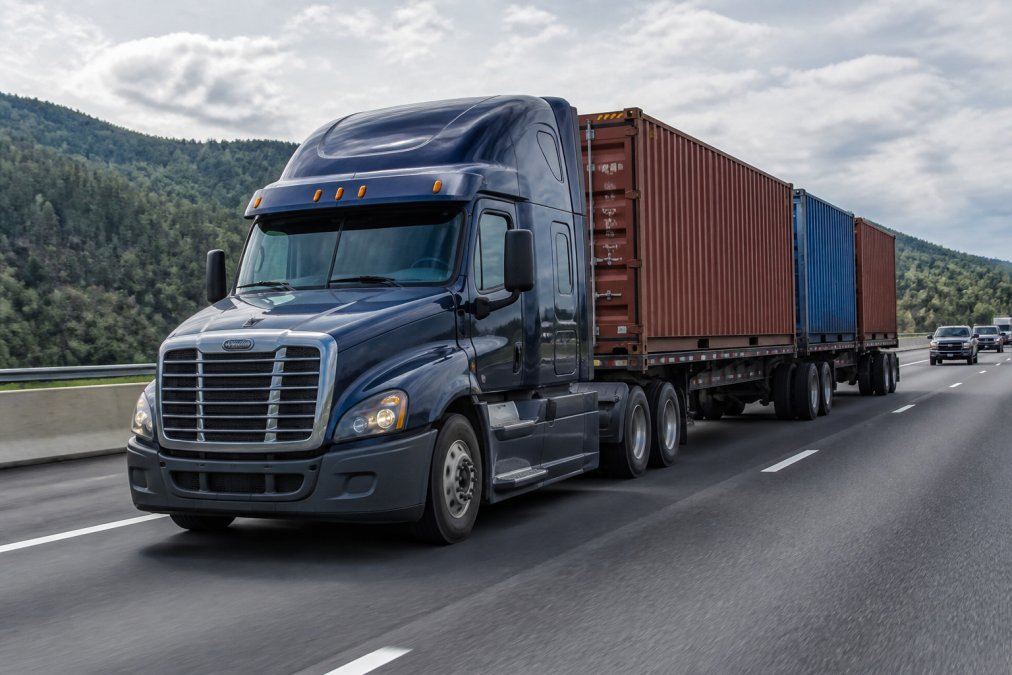
Diesel engines generate peak torque at lower RPM ranges, typically between 1,400 and 2,000 RPM, meaning your drivers access maximum pulling power without revving the engine. This is the defining advantage for hauling. A diesel engine pulling a loaded trailer maintains steady power delivery across a wide RPM band, reducing driver fatigue and improving safety on grades.
Gasoline engines reach peak torque at higher RPM ranges, requiring more aggressive acceleration to achieve the same pulling force. This translates to higher fuel consumption under load and increased engine stress during sustained climbing or heavy pulling. For a fleet carrying consistent payloads, diesel’s low-RPM torque curve is non-negotiable.
Payload capacity depends on chassis design, but diesel engines support heavier gross vehicle weight ratings (GVWR) because the engine itself weighs more and is built to handle sustained stress. A diesel-powered pickup truck might carry 3,500 pounds of payload, while its gasoline equivalent carries 2,500 pounds. For commercial fleets, this difference means fewer trips to move the same cargo.
Engine braking, the ability to slow the vehicle using engine resistance rather than relying solely on friction brakes, favors diesel. Diesel engines provide natural engine braking on descents, reducing brake wear and heat buildup. This matters on mountain routes and when descending from job sites with heavy loads.
The practical reality: if your fleet consistently operates at or near maximum payload, diesel is the only rational choice. If you’re hauling lighter loads or operating in city environments, gasoline’s simplicity and lower initial cost may offset the efficiency penalty.
Mobile Fuel Delivery Services for Fleets
On-demand fuel delivery eliminates the operational friction of routing vehicles to commercial filling stations. Mobile fuel delivery services bring diesel or gasoline directly to your fleet’s location, whether that’s a job site, yard, or remote area, reducing driver downtime and improving scheduling predictability.
Premier Petroleum and EZ Fuel both operate 24/7 mobile refueling networks, dispatching fuel trucks to meet vehicles on demand. This service model works best for fleets with 15 or more vehicles operating in concentrated geographic areas. The cost per gallon is higher than bulk tank delivery but lower than retail pump prices, and you eliminate the labor cost of routing drivers to gas stations.
For smaller fleets or those with irregular operating schedules, mobile delivery adds complexity without proportional benefit. The minimum order is typically 500 gallons, and service fees apply per dispatch. Calculate your monthly fuel volume: if you’re moving less than 2,000 gallons monthly, the fixed service fees erode savings.
Emergency fuel dispatch is a genuine advantage for stranded vehicles or equipment failures. Premier Petroleum’s emergency service reaches vehicles within 2 hours across most service areas, preventing costly downtime on job sites. This service carries a premium but pays for itself the first time it prevents a missed deadline.
Integration with fuel management systems allows real-time tracking of consumption, driver behavior, and cost allocation across projects or departments. Whatley Oil and GOS Energy both offer fleet management dashboards that flag anomalies, unusual consumption spikes, unauthorized refueling, or fuel theft, that would otherwise go undetected.
OSHA Fuel Handling Standards and Regulatory Compliance
The Occupational Safety and Health Administration (OSHA) establishes mandatory standards for fuel storage, handling, and transport. Compliance is non-negotiable; violations carry significant penalties and liability exposure.
For on-site fuel storage tanks, OSHA’s fuel storage standards require secondary containment equal to 110% of the largest tank’s capacity. This prevents environmental contamination if a tank ruptures. Tanks must be grounded to prevent static electricity buildup, which is particularly critical with gasoline’s lower flash point.
Diesel fuel presents different hazards than gasoline. Diesel is less volatile and has a higher flash point, making it safer to store and handle. However, diesel fuel can develop microbial contamination in tanks if water accumulates, degrading fuel quality and damaging fuel injectors. Regular tank inspection and water removal are mandatory compliance activities.
Driver training on fuel safety is required under OSHA 1910.1450 chemical handling requirements. Your fleet must document that drivers understand proper refueling procedures, personal protective equipment requirements, and spill response protocols. This training must be refreshed annually.
Environmental regulations add another layer. The Clean Air Act regulates fuel composition and emissions standards. Ultra-low sulfur diesel (ULSD) is mandatory for on-road vehicles, reducing particulate emissions. Gasoline must meet volatility standards that vary by season and region to minimize evaporative emissions.
State-level regulations often exceed federal minimums. California, for example, has stricter emissions standards than the federal EPA, affecting fuel formulation and vehicle certification.
Fuel Management Software for Commercial Fleets
Fuel management systems track consumption, detect anomalies, and optimize purchasing decisions. The software integrates with fleet telematics, fuel card networks, and tank monitoring sensors to create a complete picture of fuel spend and efficiency.
Maintenance Requirements and Engine Longevity
Diesel engines tolerate higher compression ratios and operate at lower temperatures than gasoline engines, resulting in slower component wear and longer service life. A well-maintained diesel engine routinely exceeds 300,000 miles; gasoline engines typically retire around 200,000 miles.
Choosing the Right Fuel Type for Your Fleet
The decision hinges on three factors: annual mileage per vehicle, average payload, and operating geography.
Frequently Asked Questions
Why use diesel instead of gasoline for fleet vehicles?
Diesel engines deliver higher torque at lower RPMs, making them ideal for heavy hauling and sustained acceleration under load. Diesel fuel contains more energy density than gasoline, so diesel vehicles travel further per gallon, critical for reducing fuel consumption costs in large fleets. Diesel engines also last longer, often reaching 300,000+ miles with proper maintenance, compared to 200,000 miles for gasoline engines. For commercial fleets managing total cost of ownership, diesel’s efficiency and durability typically offset higher per-gallon fuel prices.
What are the primary safety regulations for diesel vs. gasoline fuel delivery?
Both diesel and gasoline fuel delivery must comply with EPA regulations for fuel quality and storage, and OSHA standards for hazardous material handling. Diesel fuel is classified as a combustible liquid with lower volatility than gasoline, requiring different storage tank specifications and ventilation requirements. Gasoline’s higher volatility demands stricter containment and grounding protocols. Fleet operators must maintain proper documentation of fuel inventory, conduct regular tank inspections, and train personnel on spill response procedures. Compliance varies by state, so consult local environmental and safety agencies for specific requirements.
Is on-demand mobile fuel delivery cost-effective for mixed-fuel fleets?
On-demand mobile fuel delivery eliminates refueling downtime and reduces labor costs associated with manual pump visits, making it cost-effective for fleets operating across multiple job sites or remote locations. However, per-gallon rates for mobile delivery typically exceed bulk wholesale pricing due to service fees. For mixed-fuel fleets operating both diesel and gasoline vehicles, mobile delivery offers flexibility without requiring separate storage infrastructure. The decision depends on your fleet’s size, operational geography, and downtime costs, larger fleets benefit more from scheduled bulk delivery, while smaller or geographically dispersed fleets gain value from on-demand services.
How do fuel storage and inventory compliance differ between diesel and gasoline?
Gasoline requires more stringent ventilation and containment measures due to higher vapor pressure and flammability. Diesel storage tanks need regular inspection for water contamination, which degrades fuel quality and damages engines. Both fuel types require EPA-compliant secondary containment to prevent soil and groundwater contamination. Gasoline storage facilities must maintain proper grounding and bonding to prevent static discharge. Diesel fleets benefit from fuel management software that tracks inventory levels, monitors fuel quality, and schedules preventative maintenance, reducing contamination risk and optimizing supply chain efficiency.