
Table of Contents
- What Emergency Towing Services Actually Cover
- What to Do During a Vehicle Breakdown
- How to Find a Reliable Tow Truck Near Me
- Understanding 24/7 Roadside Assistance Cost
- Flatbed Towing vs. Wheel Lift: Which Method Is Right for Your Vehicle
- Insurance and Warranty Coverage for Towing
- Safety Protocols During Towing and Recovery
- Conclusion
- Frequently Asked Questions
Last Updated: August 31, 2026
What Emergency Towing Services Actually Cover
Emergency towing services go far beyond simply hooking up your car and dragging it down the road. When your vehicle breaks down at 2 AM on a freeway or you’re stranded after an accident, you need a comprehensive response that addresses your immediate safety, gets your vehicle to a repair facility, and handles the logistics that follow. At Fast Towing San Diego, we understand that emergency towing services mean solving your whole problem, not just one piece of it.
What started as basic towing has evolved into a full suite of roadside assistance covering jump starts, fuel delivery, and lockout services. When you call for emergency towing, you’re getting access to trained professionals who can assess your situation and provide the right solution, whether that’s a quick roadside fix or transport to a repair shop.
Most people don’t realize that true emergency towing services include preventative diagnostics. A good tow operator can often identify whether your issue is a simple battery problem, a mechanical failure, or something that requires full transport. This saves you money by avoiding unnecessary towing when a roadside repair would work.
Beyond Just Towing: Roadside Assistance Services
Roadside assistance services include jump starts for dead batteries, tire changes, fuel delivery, and lockout services. These services keep you from needing a full tow in many situations, saving both time and money.
The key distinction is that roadside assistance services get you mobile again without transport. A jump start takes 15 minutes. A tire change takes 30 minutes. A fuel delivery takes 20 minutes. Emergency towing becomes necessary when your engine is seized, your transmission is shot, or your vehicle is damaged in an accident.
Fast Towing San Diego provides comprehensive roadside assistance alongside our towing operations. When you call, we dispatch the right resource for your specific situation. If it’s a jump start, we send a technician. If it’s a full transport, we send a tow truck with appropriate equipment. This flexibility ensures you get exactly what you need without paying for unnecessary services.
Types of Vehicles Towed
Not all vehicles require the same towing approach. A standard sedan requires different handling than a motorcycle, RV, or exotic sports car. Professional emergency towing services need specialized equipment and trained operators for each vehicle type.
Light-duty vehicles like sedans and compact SUVs, weighing 2,500 to 4,500 pounds, can be towed using flatbed or wheel-lift methods (nhtsa.gov). Medium-duty vehicles like full-size trucks and larger SUVs require more specialized equipment. Motorcycles need flatbed transport with specialized tie-down equipment to prevent frame and wheel damage. Exotic and luxury vehicles require flatbed transport exclusively to avoid suspension or cosmetic damage. Boats, trailers, and motorhomes require completely different equipment and expertise.
Fast Towing San Diego handles all these vehicle types with flatbed trucks for motorcycles, exotic cars, and damaged vehicles, plus wheel-lift equipment for standard vehicles. Our professionally trained drivers understand the specific requirements for each vehicle type.
What to Do During a Vehicle Breakdown
The moments immediately after your vehicle breaks down set the tone for everything that follows. Your first priority is safety, yours and everyone else’s on the road. Your second priority is getting professional help.
Immediate Safety Steps
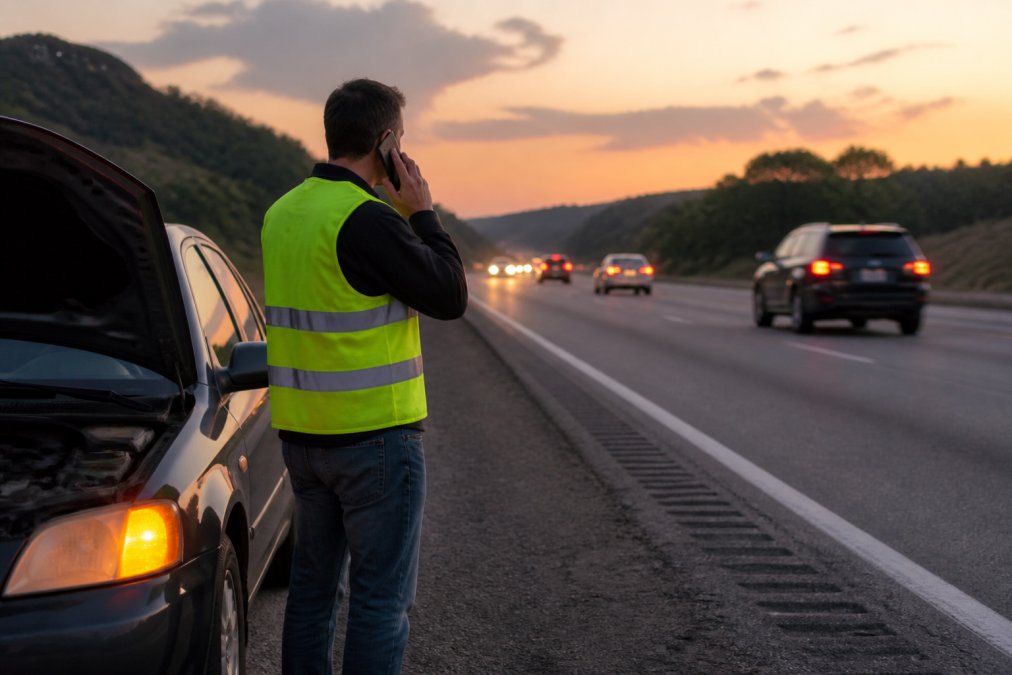
Assess whether you’re in immediate danger. If you’re on a highway or busy street, get yourself and your passengers to safety. Turn on your hazard lights immediately to signal other drivers. If you can safely move your vehicle to the shoulder or parking lot, do so. If you can’t move it safely, stay inside with your seatbelt on and doors locked until help arrives.
Never attempt roadside repairs on a busy highway. The risk of being struck by passing traffic far outweighs any potential savings. Stay visible and safe. Professional emergency towing services exist because this situation is dangerous.
If you have passengers, ensure everyone is accounted for and safe. Your job at this moment is keeping everyone safe until professional help arrives, not fixing anything.
Information to Have Ready When You Call
When you call for emergency towing, have specific information ready. Provide your location as precisely as possible, if on a freeway, give the mile marker or nearest exit. If on a city street, provide cross streets or nearby landmarks.
Describe your vehicle clearly: year, make, model, and color. Explain what happened, did the engine stop running, were you in an accident, did you get a flat tire? This helps the dispatcher send the right equipment.
Have your insurance information available. Some policies include roadside assistance coverage, affecting your out-of-pocket costs. If you’re an auto club member or have a roadside assistance membership, provide that information too.
How to Find a Reliable Tow Truck Near Me
Finding a reliable tow truck in your moment of crisis is difficult because you don’t have time to research. Building a relationship with a trusted provider before you need them is smart. When you do need emergency towing, you already know who to call.
24/7 Emergency Availability and Response Times
The difference between a good emergency towing service and a mediocre one often comes down to availability and response time. True 24/7 availability means someone answers the phone at 3 AM on a Sunday. Response time is how quickly a truck arrives after you call.
Response times vary based on location and current demand. In urban areas, professional services typically respond within 30 to 45 minutes (the CDC). In rural areas or during peak times, response might take longer. The key is finding a service that commits to a specific response time and delivers on it. Fast Towing San Diego maintains 24/7 dispatch with professional drivers positioned across the service area to minimize response times.
When you call, ask about their current response time estimate. An honest service will tell you if they’re experiencing high demand. Services that guarantee 15-minute response times in all conditions are probably not being truthful.
Certified Technicians and Licensed Equipment
A certified technician has received training in proper towing techniques, vehicle handling, and safety protocols. Licensed equipment means the truck and its components meet industry standards and are regularly inspected. These credentials protect your vehicle during transport.
When evaluating an emergency towing service, ask about driver certifications and equipment maintenance. Do their drivers have formal training? Are their trucks regularly inspected? Do they carry proper insurance?
Fast Towing San Diego employs professionally trained drivers with over 100 years of combined experience. Our equipment is regularly maintained and inspected. We’re licensed and insured, which protects you if anything goes wrong during transport.
Understanding 24/7 Roadside Assistance Cost
Cost is a legitimate concern when you need emergency towing services. Understanding how pricing works helps you make informed decisions and avoid surprises.
Pricing Models: Membership vs. Per-Service
There are two main ways to pay for emergency towing services: membership programs and per-service charges. Membership programs charge an annual or monthly fee in exchange for discounted or included services. Per-service pricing means you pay each time you use the service.
Membership programs make sense if you use roadside assistance multiple times per year or want predictable costs. Per-service pricing works if you rarely need towing and want to avoid paying for coverage you won’t use.
Some insurance policies include roadside assistance as part of your auto insurance coverage. If your policy includes this, you already have access to emergency towing services, just call your insurance company’s roadside assistance number. This is often the most cost-effective option.
What Affects Your Final Bill
Distance is the primary factor, towing 5 miles costs less than towing 50 miles. The type of vehicle matters too; towing a motorcycle requires different equipment than towing an RV. Whether your vehicle is drivable or requires flatbed transport affects the cost. Time of day can also matter; some services charge premium rates for late-night or holiday calls.
For accurate pricing, contact Fast Towing San Diego directly to discuss your specific situation. Reputable services provide transparent pricing and explain what’s included and what costs extra.
Flatbed Towing vs. Wheel Lift: Which Method Is Right for Your Vehicle
Two primary towing methods dominate the industry: flatbed towing and wheel-lift towing. Using the wrong method can damage your vehicle.
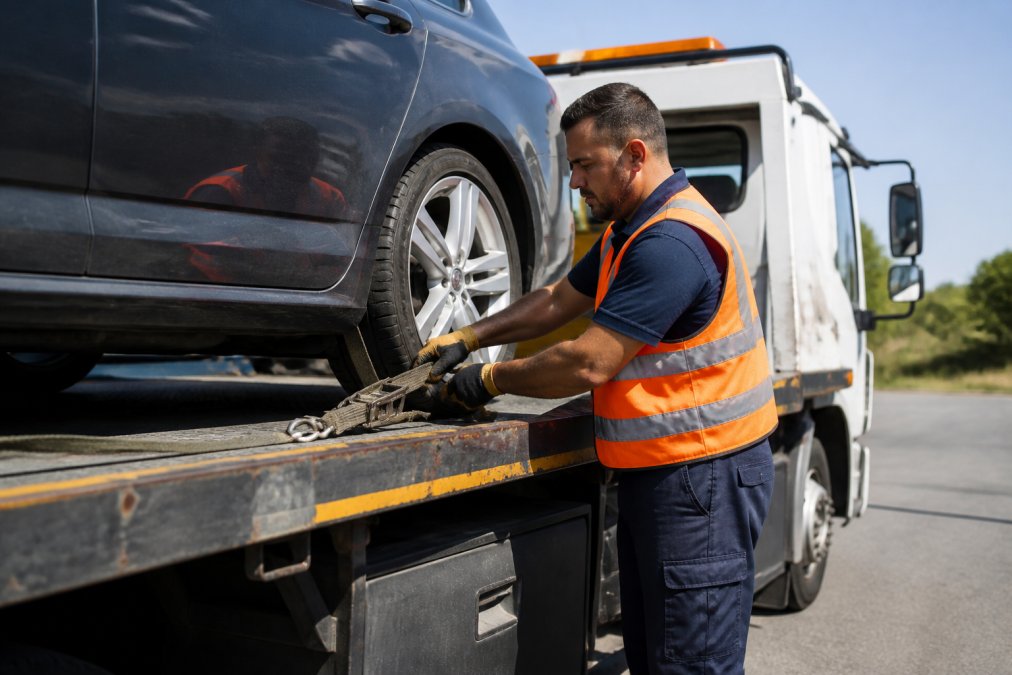
Flatbed towing loads your entire vehicle onto a flat platform, secured with tie-downs at all four corners. This method is safest for luxury vehicles, motorcycles, vehicles with low clearance, and vehicles with suspension damage. It prevents stress on your vehicle’s transmission, suspension, or drivetrain.
Wheel-lift towing uses a mechanical arm to lift either the front or rear wheels off the ground, leaving the other two wheels rolling. This method is faster and more economical for standard vehicles that are mechanically sound.
For exotic cars, motorcycles, and vehicles with any kind of damage, flatbed is always the right choice. For standard vehicles without damage, wheel-lift is often appropriate and more cost-effective. Fast Towing San Diego uses flatbed exclusively for specialty vehicles and selectively uses wheel-lift for standard vehicles where it’s appropriate and safe.
Insurance and Warranty Coverage for Towing
Many vehicle owners don’t realize that their insurance or warranty might already cover emergency towing services. Understanding your existing coverage prevents you from paying out of pocket for services you’re already covered for.
Most comprehensive auto insurance policies include roadside assistance coverage (iii.org). This typically includes towing to a repair facility, jump starts, fuel delivery, and lockout services. The coverage limit is usually between $50 and $200 per incident.
Extended warranties often include roadside assistance as well. Check your warranty documentation to see what’s included. Membership programs like AAA provide roadside assistance coverage as part of membership.
Before you pay out of pocket for emergency towing services, contact your insurance company or check your warranty documentation. You might already have coverage that applies to your situation.
Safety Protocols During Towing and Recovery
Professional emergency towing services follow strict safety protocols to protect your vehicle, the tow operator, and other drivers on the road.
When a tow truck arrives, the operator assesses your vehicle and the situation, determining the best towing method and ensuring proper securing with multiple tie-down points to prevent movement during transport. During transport, your vehicle should not move or shift. You should not ride in your vehicle being towed, it’s not safe, and most professional services don’t allow it.
When your vehicle is being recovered from an accident scene or difficult location, the operator uses winching equipment carefully to prevent further damage. This might take longer than a standard tow, but the extra time prevents additional harm.
Fast Towing San Diego follows industry safety standards and trains all drivers in proper towing protocols. Your vehicle’s safety during transport is our priority.
Never attempt to follow your towed vehicle in your own car, especially on freeways. This creates a safety hazard and distracts the tow operator. Arrange separate transportation or ride with the tow operator if possible.
Conclusion
When your vehicle breaks down, you need emergency towing services that respond quickly, handle your vehicle professionally, and provide transparent communication throughout the process. Fast Towing San Diego offers 24/7 emergency towing services with professionally trained drivers, comprehensive roadside assistance including jump starts and tire changes, and connections to trusted repair shops. Our team has over 100 years of combined experience handling everything from standard sedans to exotic vehicles and motorcycles. Contact Fast Towing San Diego for reliable, affordable emergency roadside support when you need it most.
Frequently Asked Questions
What should I do immediately after my vehicle breaks down?
First, move your vehicle to a safe location if possible, pull to the shoulder, away from traffic. Turn on hazard lights and stay inside your car if you’re on a busy road. Call for emergency towing services right away and provide your exact location. If you’re stranded on a freeway, stay in your vehicle with doors locked and windows up until help arrives. Keep your phone charged and have your vehicle information ready when you call.
How long does it typically take for an emergency tow truck to arrive?
Response times depend on your location and the towing service’s dispatch radius. Urban areas typically see arrival within 20-45 minutes, while rural locations may take longer. Services offering 24/7 emergency availability with dedicated dispatch centers generally provide faster response. When you call, ask for an estimated arrival time. Factors like weather, traffic, and the service’s current workload also affect how quickly help reaches you.
Can I get emergency towing services if I don’t have roadside assistance coverage?
Yes. Many towing services operate on a pay-per-service basis without requiring membership or insurance add-ons. You can call a local tow truck directly or use on-demand platforms that connect you to available providers and quote pricing upfront. However, having roadside assistance through your insurance, AAA membership, or a standalone plan typically reduces out-of-pocket costs and eliminates the need to find a provider during an emergency.
What information should I have ready when calling for emergency towing?
Provide your exact location (street address, mile marker, or nearby landmarks), vehicle description (make, model, color, license plate), the nature of the problem (breakdown, accident, lockout), and your contact number. If you’re on a freeway, note the direction you’re traveling. Have your insurance information available if you have roadside coverage. This information helps dispatchers locate you quickly and send the appropriate equipment and technician for your specific situation.