
A Fleet Towing Service Example That Keeps Work Moving
⏱️ Read Time: 5 mins
📍 Service Area: San Diego County
⭐ By: Fast Towing San Diego
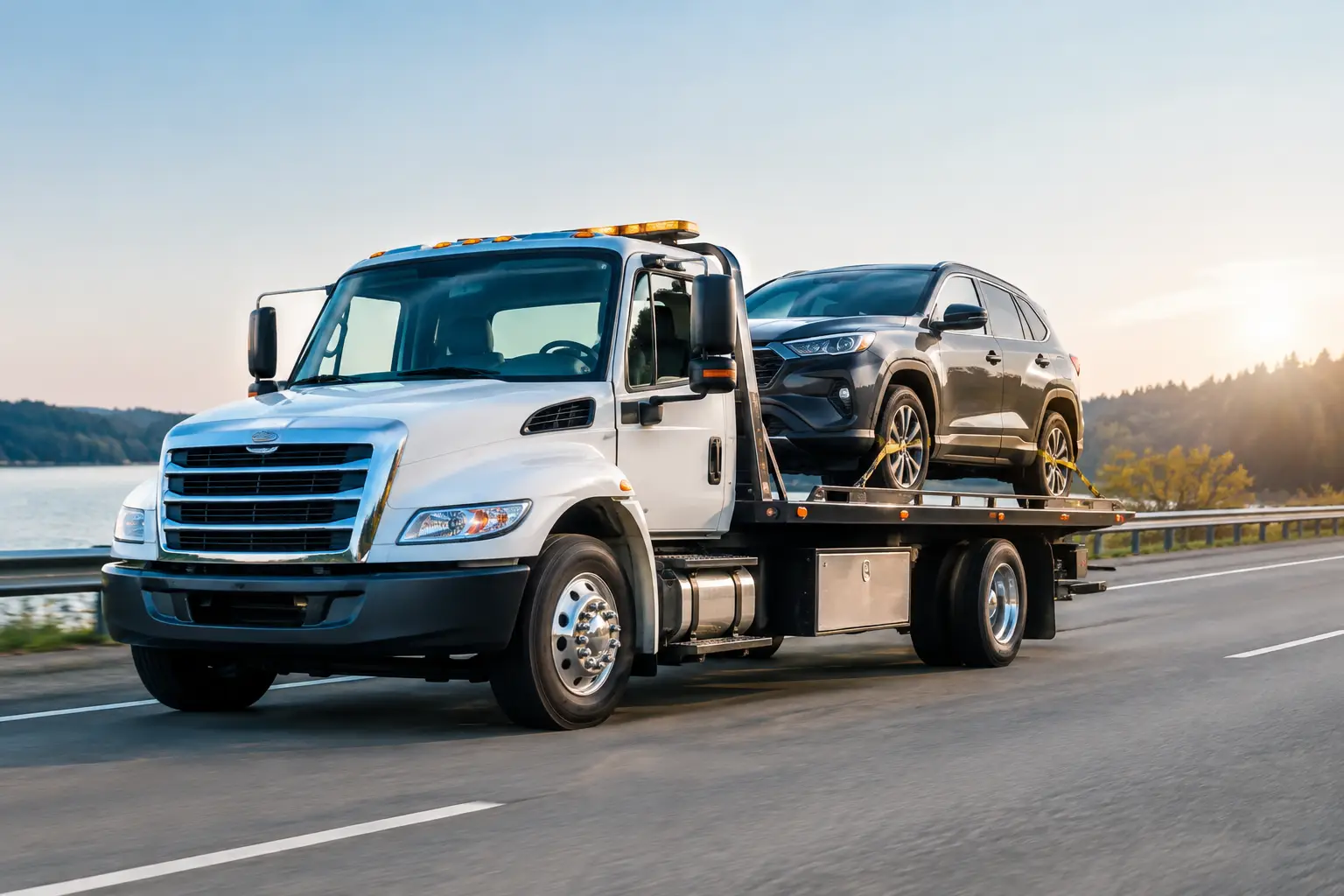
A disabled work truck on the shoulder can turn into a lost route, a missed delivery, an unsafe roadside situation, and a frustrated customer in a hurry. This fleet towing service example shows what reliable commercial support should look like when the clock is running and your vehicle has to be handled correctly.
Picture a San Diego service company with six vans on the road. One van loses power near a busy freeway interchange at 6:40 a.m., right as technicians are heading to their first appointments. The driver is safe, but the van is loaded with equipment and cannot be left sitting there. The fleet manager needs more than a tow truck. They need a fast answer, an accurate arrival estimate, safe transport, and updates they can pass along to the dispatcher and customers.
That is where a real fleet towing partner earns its place.
What a Strong Fleet Towing Service Example Looks Like
The driver calls for help and reaches a dispatcher who understands commercial vehicles, not a generic call center that puts them on hold. The dispatcher asks the questions that matter: exact location, vehicle type, whether the van is loaded, whether it is blocking traffic, the destination, and whether the driver needs a ride or roadside assistance first.
A properly equipped tow operator is sent to the scene. If the problem might be a dead battery, flat tire, or minor mechanical issue, roadside service can be the fastest answer. If the van will not safely drive, the operator recovers it and transports it to the fleet’s preferred repair facility. The driver is not left guessing, and the manager gets a clear update when the vehicle is secured and on its way.
The best outcome is not always getting the vehicle towed. It is getting the fleet back in motion with the least possible downtime. Sometimes that means a jump start and a quick battery test. Sometimes it means moving a truck from an accident scene before it creates a bigger operational mess. The right response depends on the vehicle, the load, the location, and the condition of the driver.
Fast Dispatch Protects More Than a Vehicle
For a fleet manager, every disabled vehicle carries a cost. There is the repair bill, but there is also missed labor, delayed jobs, customer calls, rerouted drivers, and potential safety exposure. A towing company that responds quickly helps control those costs before they stack up.
In the service-van scenario, the dispatcher can send a replacement vehicle or redistribute the morning routes while the tow is underway. That is much easier to do when they know exactly what is happening. Vague promises do not help a business make decisions. Clear communication does.
A dependable provider should give straightforward information: who is coming, what equipment is being dispatched, what the next step is, and where the vehicle is going. If a heavy traffic delay or difficult recovery changes the timing, the fleet contact should hear it early, not after the fact.
The Right Equipment Matters for Fleet Vehicles
Not every tow is the same. A compact company car, cargo van, pickup truck, box truck, trailer, EV, and work SUV may all require different handling. Sending the wrong truck can waste time and create damage that was completely avoidable.
For example, an electric fleet vehicle requires careful loading and transport procedures. A truck with a loaded utility trailer may need a different recovery plan than an empty pickup. A low-clearance specialty vehicle may need a flatbed and extra attention during loading. If a fleet unit has been in an accident, the operator must assess whether it can roll, steer, and brake before deciding how to move it.
This is not the time for guesswork. Experienced operators inspect the situation, use the right attachment points, secure the vehicle properly, and protect it throughout transport. Fast Towing handles cars, trucks, SUVs, vans, motorcycles, trailers, EVs, motorhomes, and specialty vehicles because fleet problems do not always arrive in a standard package.
Accident Towing Needs a Different Level of Control
Breakdowns are stressful. Fleet accidents can be worse, especially when the vehicle is in traffic, equipment is scattered, or an employee is shaken up. A fleet towing service should help bring order to a chaotic scene.
First comes safety. The operator needs to position the truck correctly, work around traffic safely, and recover the vehicle without making collision damage worse. Then comes coordination. The fleet manager may need the vehicle delivered to a body shop, a secure yard, or a repair facility that can inspect it immediately.
Insurance-friendly documentation and clear destination confirmation can save time later. The towing company does not need to manage your entire claim, but it should make the recovery side of the process easier, not harder. When a driver has just been in an accident, a calm professional response matters as much as the equipment on the truck.
What Fleet Managers Should Expect From Their Towing Partner
A towing provider does not need a complicated contract to be useful, but it should operate like a partner when urgent calls come in. The difference is visible in the details.
The dispatcher should answer quickly and collect accurate information. The operator should arrive prepared, treat the driver with respect, and explain what is happening. The vehicle should be moved safely to the right place, with the fleet contact kept informed. Billing should be clear enough that the business can track the event without chasing down basic answers.
For fleets with recurring service needs, consistency matters. Your drivers should know who to call at 2:00 a.m. after a tire failure. Your office should know that a vehicle can be recovered after an accident without spending an hour calling around. Your maintenance team should know the unit will reach the intended shop instead of ending up at the wrong yard.
That reliability is especially valuable for local businesses that cannot afford a long interruption. Contractors, delivery teams, property service companies, medical transport providers, rental operations, and municipal crews all depend on vehicles to produce revenue or deliver essential services.
A Real-World Decision: Repair on Scene or Tow It?
A good fleet response is not automatically a tow. If a driver has a flat tire and the vehicle has a safe spare, a tire change may get them back on the road faster. If a battery is weak, a jump start may solve the immediate problem, although the fleet should still inspect the charging system soon after. If the engine is overheating, warning lights are active, or the vehicle was involved in a collision, driving it further may turn a manageable repair into an expensive one.
This is where knowledgeable roadside technicians make a difference. They can assess the immediate situation and help the driver avoid the common mistake of forcing a damaged vehicle to keep moving. Saving 20 minutes now is not a win if it costs an engine, transmission, or major electrical component later.
Build a Simple Fleet Breakdown Plan Before You Need It
The strongest fleet towing service example starts before the breakdown. Give drivers one clear process: get to a safe location if possible, turn on hazard lights, report the location accurately, describe the problem, and wait in a safe area. They should not attempt risky repairs on a freeway shoulder or stand in traffic to direct a tow truck.
Keep the fleet’s preferred repair destinations, vehicle details, and manager contact information readily available. For specialty units, note anything a towing operator should know in advance, such as low clearance, custom equipment, a trailer connection, or EV requirements. A few accurate details at dispatch can prevent a delayed or improper response.
When one of your vehicles goes down, the goal is simple: protect the driver, protect the asset, and get the operation moving again. Choose towing support that answers fast, communicates clearly, and has the capability to handle the job when it is not a simple roadside call.
Licensed, insured, and rapid response units on standby across all San Diego corridors.