
Table of Contents
- Freeway Towing vs. Local Services: Key Differences
- Towing Service Response Time Expectations
- Coverage Areas and Service Radius
- Emergency Roadside Assistance Cost Breakdown
- What to Look for in a Professional Towing Company
- Private Property Towing Regulations and Your Rights
- Making the Right Choice for Your Situation
- Frequently Asked Questions
Last Updated: September 18, 2026
Freeway Towing vs. Local Services: Key Differences
When your car breaks down on the freeway, you need help fast. Understanding freeway towing vs local services is critical because response times, service scope, and regulations vary dramatically. Freeway towing typically involves highway patrol coordination and specialized protocols for high-traffic corridors. Local towing services operate within city limits with different regulatory frameworks and equipment requirements.
Fast Towing San Diego operates across both environments. Freeway incidents demand rapid dispatch and highway-trained operators, while local breakdowns prioritize convenience and neighborhood familiarity.
Freeway towing requires law enforcement coordination, strict safety protocols, and highway-trained operators. Local services focus on residential and commercial areas with faster response times and less regulatory overhead. Your situation determines which makes sense.
Towing Service Response Time Expectations
Freeway towing requires law enforcement coordination, adding to response time. Local services often arrive within 20-30 minutes in urban areas.
Fast Towing San Diego maintains 24/7 dispatch across both networks. Freeway operators must verify scene safety and coordinate with traffic management; local services proceed directly to recovery.
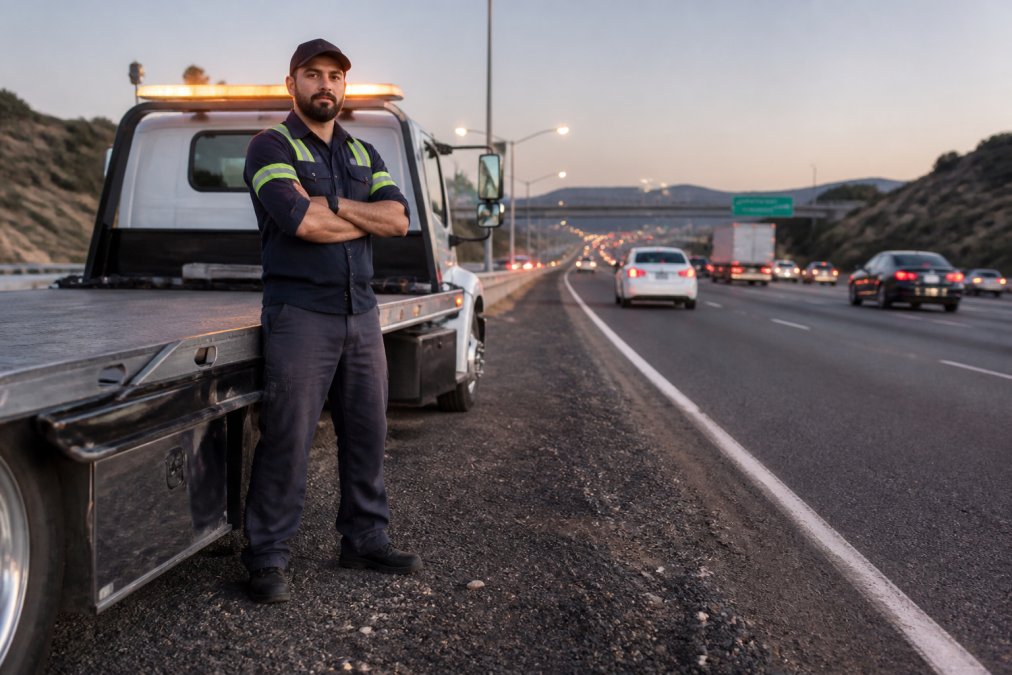
Confirm whether quoted response time is from call pickup or from when the truck leaves the facility, this distinction matters more than promised response time.
Coverage Areas and Service Radius
Freeway towing covers highway corridors and interstate routes with strategic locations near major freeways. The service radius is broader because highways span longer distances and connect multiple cities.
Local services concentrate on neighborhoods with smaller but denser coverage, knowing streets and local traffic patterns. In remote areas, freeway towing is your only option; in urban corridors, local services may respond faster.
Fast Towing San Diego covers the entire San Diego metro area plus freeway routes, providing freeway-trained operators for highways and local specialists for neighborhoods.
Check whether your provider covers where you drive most often, freeway credentials are useless for local commutes, and local-only services leave you stranded on interstates.
Emergency Roadside Assistance Cost Breakdown
Towing costs vary by distance, vehicle type, time of day, and freeway coordination. Your auto insurance may cover costs, most drivers don’t realize this until after paying out of pocket.
Direct Towing Costs
Freeway towing costs more due to law enforcement notification, scene management, and specialized equipment. Costs escalate for winching or flatbed transport; storage fees apply if your vehicle remains in an impound lot.
Local towing costs less due to shorter distances and minimal regulatory overhead.
Cost factors include: distance charges, vehicle type (motorcycles and exotic cars cost more), after-hours premiums, equipment needs (flatbed vs. wheel-lift), and storage fees.
How Auto Insurance Covers Towing
Comprehensive Coverage includes towing for mechanical failure, weather, or accidents. You pay your deductible (usually $250-$500); insurance covers the rest.
Collision Coverage covers towing if your vehicle is disabled by an accident.
Roadside Assistance Rider is an optional add-on ($5-$15 per month) covering towing, lockout service, jump starts, fuel delivery, and tire changes with no deductible and unlimited annual tows.
Liability-Only Policies do not cover towing; you pay out of pocket.
Check your policy documents or call your insurance agent before you need towing. Ask specifically: “Does my policy cover towing? If so, what’s the coverage limit and deductible?” Many drivers pay for tows they could have claimed on insurance because they didn’t know coverage existed.
The Insurance Claim Process for Towing
When you need towing: (1) Call your insurance company first for a preferred provider or authorization; (2) Get a claim number; (3) Provide authorization to the tow operator, who bills insurance directly; (4) Keep all documentation for disputes.
Calling a tow service directly without contacting insurance first means paying upfront and chasing reimbursement, which takes longer.
Cost Comparison: With and Without Insurance
| Scenario | Without Insurance | With Comprehensive + Roadside Rider | Savings |
|---|---|---|---|
| Freeway tow (15 miles) | $150-$250 | $250 deductible | $0-$0 (deductible applies) |
| Local tow (5 miles) | $75-$125 | $0 (roadside rider covers) | $75-$125 |
| Storage fees (3 days) | $75-$150 | Often covered by comprehensive | $75-$150 |
| Jump start / lockout | $50-$100 | $0 (roadside rider covers) | $50-$100 |
Insurance won’t cover towing for: liability-only policies, towing from private property where you were illegally parked, law enforcement impounds, or when exceeding coverage limits.
Ask your agent for preferred providers who bill directly to your insurance. Out-of-network providers require upfront payment and 2-4 week reimbursement. Fast Towing San Diego works with major insurers and bills directly with claim authorization.
Review your auto insurance policy before you need towing. Comprehensive coverage or a roadside rider may eliminate out-of-pocket costs; liability-only policies require budgeting for potential tow costs. Knowing coverage in advance prevents paying full price and chasing reimbursement.
What to Look for in a Professional Towing Company
Start with 24/7/365 availability, breakdowns don’t follow business hours. Services that transfer after-hours calls to answering services lose critical response time.
Verify experience with your vehicle type. Ask directly: “Have you towed a [vehicle type] before?” Motorcycles, luxury vehicles, boats, and trailers require specialized equipment and training.
Verify proper licensing and liability insurance, this protects you if your vehicle is damaged during transport. Unlicensed operators leave you exposed to liability.
Look for established relationships with repair shops, this adds value when you’re stressed and your vehicle is stranded.
Fast Towing San Diego employs professionally trained drivers with over 100 years of combined experience, capable of handling difficult extractions and specialty vehicles.
Private Property Towing Regulations and Your Rights
Private property towing operates under strict state regulations designed to protect vehicle owners from predatory practices. Understanding these rules and knowing how to act when a tow is illegal prevents financial loss and helps you recover damages.
Step-by-Step Guide to Disputing an Illegal Tow
Step 1: Document the Scene (Within 24 Hours)
Return to the property where your vehicle was towed. Take photographs of:
- The towing signage (or lack thereof) from multiple angles and distances to show visibility
- The property entrance and any posted rules about parking
- Your vehicle’s parking location and any markings or restrictions
- The tow company name, phone number, and any rates posted
Step 2: Gather Documentation
Collect and organize:
- The tow receipt showing date, time, location, vehicle description, and all charges
- The tow operator’s name, license number, and company information
- Photos from Step 1
- Any parking tickets or notices left on your vehicle before towing
- Proof of where you parked (credit card receipt from nearby business, witness contact information)
Step 3: File a Complaint with Local Consumer Protection
Contact your city or county consumer protection office (often part of the District Attorney’s office). Provide:
- Your vehicle identification number (VIN)
- The tow company name and license number
- The property address and management company name
- Your documentation from Steps 1 and 2
- A written statement explaining why you believe the tow was illegal (inadequate signage, unauthorized towing, excessive fees)
Never pay a tow bill you believe is illegal without getting a receipt and the operator’s license information. Paying under protest (writing “paid under protest” on the check) preserves your right to dispute later, but it makes the process harder. If you refuse payment at the time of removal, the tow operator may place a lien on your vehicle, but you can still dispute the lien through the consumer protection office or small claims court.
Common Illegal Towing Scenarios
The most frequent violations occur in these situations:
- Residential complexes: Management companies authorize tows without posting required signage or without proper authority from the property owner
- Expired signage: Signs are faded, damaged, or outdated; rates posted don’t match actual charges
- Excessive fees: Storage charges exceed local limits or the tow company charges for services not rendered
- Unauthorized towing: A property manager tows a vehicle without the property owner’s written authorization
- Guest parking violations: You were parked in a guest spot with permission but the management company towed you anyway
Making the Right Choice for Your Situation
Your choice in freeway towing vs local services depends on where you drive most often and what type of vehicle you own.
Frequently Asked Questions
What is the difference between freeway towing and local towing services?
Freeway towing typically handles emergency highway breakdowns and accidents with rapid dispatch and specialized highway safety protocols. Local towing services cover non-emergency transport, private property removals, and neighborhood breakdowns with more flexible scheduling. Freeway operators focus on quick roadside clearance and traffic safety, while local services often provide additional support like lockout assistance and fuel delivery. Your situation determines which you need: highway emergencies require freeway-trained responders; scheduled transport or private property issues suit local providers.
How do I know what to look for in a professional towing company?
Look for 24/7 availability, professionally trained and licensed drivers, transparent pricing before service begins, and experience with your vehicle type. Ask about response time guarantees, insurance coverage, and whether they handle post-tow services like repair shop referrals. Check if they’re equipped for specialty vehicles (motorcycles, exotic cars, trailers) if needed. Verify they understand local regulations and can assist if your vehicle is impounded. Companies with decades of combined experience and customer testimonials demonstrate reliability.
What should I expect for towing service response time?
Most professional towing companies aim for 15-30 minute response times in urban areas, though this varies by demand, traffic, and distance. Freeway emergencies typically receive faster dispatch due to highway safety protocols. Response time depends on whether you’re on a major freeway versus a residential street, time of day, and current call volume. Reputable operators with multiple trucks and dispatch centers consistently meet shorter windows. Always ask about estimated response times when you call.
How is emergency roadside assistance cost determined?
Towing costs depend on distance traveled, vehicle weight, terrain difficulty, time of day (after-hours premiums apply), and whether special equipment is needed. Basic local tows cost less than long-distance freeway recovery. Specialty services like motorcycle transport or exotic car handling add to the base fee. Storage charges apply if your vehicle stays at an impound lot. Transparent companies provide estimates before beginning work. Ask about fleet discounts if you need regular service. Request a detailed breakdown to understand what you’re paying for.
When a breakdown happens, you need a service that answers immediately and arrives prepared. Fast Towing San Diego maintains 24/7/365 availability with professionally trained drivers experienced in freeway extraction, specialty vehicle transport, and comprehensive roadside assistance. Get started with Fast Towing San Diego and experience fast response times, transparent pricing, and professional service across every situation.