
Table of Contents
- What You’ll Need to Know Before Calling
- Factors Affecting Towing Service Prices
- Average Towing Cost Per Mile Breakdown
- Is Towing Covered by Car Insurance
- Hidden Costs and What to Expect
- How to Get an Accurate Tow Truck Cost Estimate
- Common Mistakes to Avoid
- Featured External Resources
- Frequently Asked Questions
Last Updated: August 27, 2026
What You’ll Need to Know Before Calling
Understanding what influences tow truck cost helps you prepare for an emergency and avoid sticker shock. Most vehicle owners have never called a towing service before, so the pricing structure can feel opaque. Towing companies charge based on distance, vehicle type, time of day, and equipment required. You’ll typically hear about a base hook-up fee plus mileage charges, with possible surcharges for after-hours service, holidays, or specialized equipment. Knowing what questions to ask puts you in control and helps you budget for the expense.
At Fast Towing San Diego, we work with customers daily who are confused about pricing. This guide walks you through every component of tow truck cost so you can make informed decisions when you’re stranded.
Factors Affecting Towing Service Prices
Several concrete factors determine what you’ll pay for a tow.
Vehicle Type and Weight Class
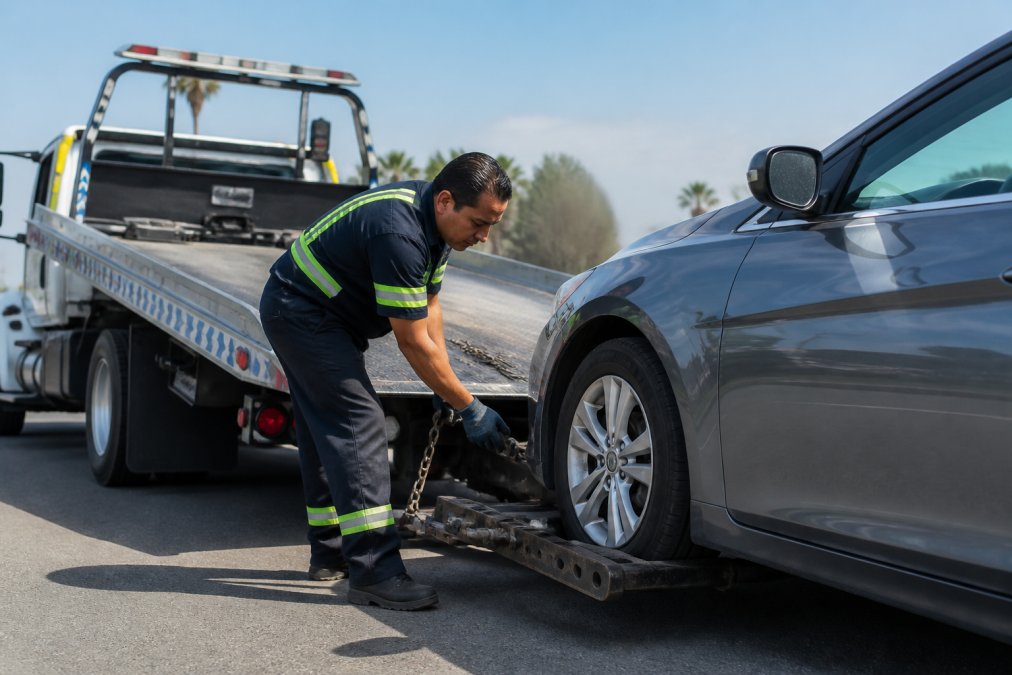
The size and weight of your vehicle directly affects the equipment and labor required. A standard sedan costs less to tow than a full-size pickup truck or SUV. Heavy vehicles require more powerful winches and stronger chains. Specialized vehicles command higher rates: motorcycles need different equipment than four-wheel vehicles, exotic cars and luxury vehicles require extra care, and boats or motorhomes fall into their own pricing category. Weight class determines which truck the company sends, a light-duty tow truck costs less to operate than a heavy-duty wrecker.
Distance and Towing Radius
Towing distance is one of the largest cost variables. Most companies charge a base hook-up fee for the first few miles, then add a per-mile rate for additional distance. Local tow services typically cover a defined radius of 10 to 25 miles from the company’s base. Long-distance towing beyond this radius triggers higher per-mile rates or minimum charges. Some companies charge flat rates for specific distance brackets rather than calculating exact mileage. If you break down outside a company’s service area, they may decline the job or charge a premium. Fast Towing San Diego operates across San Diego and beyond.
Time of Service and Emergency Surcharges
When you need the tow matters as much as where. Standard business hours have lower rates. After-hours service, evenings, nights, weekends, and holidays trigger surcharges that can add 25 to 50 percent to your bill. Emergency service at 2 AM costs more than a scheduled tow at 2 PM. The rationale is simple: after-hours service requires operators to work outside normal schedules, and fewer trucks are available. Fast Towing San Diego’s 24/7 availability provides consistent service even when others aren’t operating.
Average Towing Cost Per Mile Breakdown
Breaking down the components of a tow truck cost helps you understand what you’re actually paying for.
Base Hook-Up Fees and Service Calls
Most towing companies charge a base hook-up fee to respond to your call and connect your vehicle to the tow truck. This covers dispatch, fuel to reach your location, operator time, and equipment setup. The base fee applies regardless of distance traveled. Some companies bundle the hook-up fee with the first few miles of towing (often called a “service call” that includes 5-10 miles), while others charge them separately. Understanding this distinction matters when comparing quotes.
Local Tow vs. Long-Distance Towing
Local towing, typically under 25 miles, uses straightforward pricing: base fee plus mileage rate. Long-distance towing applies different economics. Beyond a certain radius, companies charge higher per-mile rates to account for fuel costs, operator time, and the distance the empty truck must travel back to base. Some companies impose minimum charges for long-distance jobs. Long-distance towing is where comparison shopping pays off, as rates vary significantly between providers.
Flatbed vs. Wheel-Lift Towing
The equipment used affects the final cost. A wheel-lift tow truck, which lifts the front or rear wheels off the ground, is less expensive than a flatbed truck, which loads the entire vehicle onto the truck bed. Flatbed towing costs more because it requires more equipment, more operator skill, and more time to secure the vehicle. However, flatbed is necessary for all-wheel-drive vehicles, low-clearance sports cars, luxury vehicles requiring extra protection, and vehicles with suspension damage. When you call for a quote, ask which method the company recommends for your specific vehicle.
Is Towing Covered by Car Insurance
Understanding your insurance coverage prevents unexpected out-of-pocket expenses.
Roadside Assistance Coverage
Many auto insurance policies include roadside assistance as an optional add-on or standard benefit. This coverage typically includes towing up to a certain distance, often 100 miles, at no cost to you. The insurance company contracts with towing providers, so you call your insurer first, and they dispatch a tow truck. Roadside assistance coverage is worth reviewing in your policy. If you don’t have it, adding it costs relatively little and can save hundreds on a single tow. The catch is that roadside assistance has distance limits and may only cover towing to a repair facility of the insurer’s choosing. Read your specific coverage details to understand what’s included.
Insurance Reimbursement and Claims
If you pay out-of-pocket for a tow not covered by roadside assistance, you may be able to claim reimbursement through your insurance if the tow was necessary due to a covered accident. Reimbursement is not automatic, the insurance company evaluates whether the tow was reasonable and necessary. For accident-related tows, document everything: the towing invoice, photos of vehicle damage, and the police report if applicable.
Hidden Costs and What to Expect
Beyond the obvious towing charges, several costs can surprise you if you’re not prepared.
Storage and Impound Fees
If your vehicle is towed to an impound lot or storage facility, daily storage fees begin accumulating immediately. These fees vary widely but can reach $25 to $75 per day or more. A vehicle in storage for a week can rack up $200 or more in storage charges alone. Storage fees are separate from the towing cost. Impound situations, where a vehicle is towed by law enforcement or a property owner, often involve official impound lots with higher fees and strict retrieval procedures.
After-Hours and Holiday Surcharges
Calling a tow truck at 3 AM on a Sunday costs more than calling at 10 AM on a Tuesday. After-hours surcharges can add 25 to 50 percent to your total bill. These surcharges are legitimate business costs, fewer operators are available, and those working are sacrificing personal time.
Payment Methods and Deposit Requirements
Many towing companies require payment at the time of service, before releasing your vehicle. Some accept credit cards, while others demand cash or a check. Some companies require a deposit before dispatching a truck, especially for long-distance tows. Ask about payment methods and deposit requirements when you call for a tow. If you’re using roadside assistance, the insurance company handles payment directly.
How to Get an Accurate Tow Truck Cost Estimate
Getting multiple quotes before committing to a tow truck helps you understand fair pricing and avoid overcharges.

Information to Have Ready
When you call for a tow, have specific information available so the dispatcher can give you an accurate estimate:
- Your vehicle’s make, model, and year
- Current location (address or mile marker)
- Destination (repair shop, home, impound lot)
- Whether the vehicle runs or needs to be towed from the roadway
- Any visible damage or special conditions (leaking fluid, suspension damage, all-wheel-drive)
- Whether you have roadside assistance coverage
The more details you provide, the more accurate the estimate.
Comparing Quotes from Different Providers
Call at least two or three towing companies and get written quotes if possible. Compare the base hook-up fee, per-mile rate, and any surcharges mentioned. Ask whether the quote includes all charges or if additional fees may apply. Pay attention to what’s included and what’s not. Ask about payment methods, deposit requirements, and whether the company works with your insurance. A slightly higher quote from a reliable company with fast response times might be better than the cheapest option.
Common Mistakes to Avoid
The biggest mistake is not calling your insurance company first if you have roadside assistance coverage. Many people call a tow truck independently, pay out-of-pocket, then discover they could have used insurance coverage. By then, the tow is already paid for, and you’re unlikely to get full reimbursement.
Don’t assume the cheapest quote is the best deal. A company quoting significantly lower than others may be cutting corners on safety or planning to add unexpected charges once the truck arrives. Fast Towing San Diego, with over 100 years of combined experience among our team, prioritizes reliability and fair pricing.
Avoid authorizing a tow to an unfamiliar repair shop without understanding the implications. Ask where the vehicle will be taken and verify it’s a shop you trust. If you have a preferred repair facility, tell the dispatcher before the tow begins.
Don’t delay retrieving your vehicle from storage. Storage fees compound daily, and a vehicle sitting for weeks can cost more in storage than the original tow.
Understanding tow truck cost involves knowing the base components, hook-up fees, mileage rates, equipment type, and the variables that affect them: vehicle weight, distance, time of day, and special circumstances. By gathering quotes, asking the right questions, and reviewing your insurance coverage, you can navigate the process confidently. When you need professional, reliable service with transparent pricing and fast response times, Fast Towing San Diego offers 24/7 availability and experienced operators trained to handle everything from standard sedans to specialized vehicles. Get started with a call to Fast Towing San Diego and receive a clear estimate before committing to any tow.
Featured External Resources
For more information on vehicle towing and roadside assistance:
National Association of Towing and Recovery Professionals standards provides industry guidelines for safe towing practices and professional standards.
Federal Trade Commission guidance on service contracts and warranties explains your rights when purchasing roadside assistance or towing services.
Insurance Information Institute overview of roadside assistance coverage details what roadside assistance typically covers and how it works with auto insurance policies.
| Cost Component | Typical Charge | Notes |
|---|---|---|
| Base hook-up fee | Varies by vehicle type | Fixed charge per service call |
| Mileage rate | Per-mile charge | Applies after base distance included |
| After-hours surcharge | 25-50% premium | Nights, weekends, holidays |
| Flatbed upgrade | Additional fee | Required for certain vehicles |
| Storage fee (daily) | $25-$75+ per day | Applies if vehicle goes to impound lot |
| Long-distance minimum | Varies | May apply to tows beyond service radius |
Frequently Asked Questions
What’s the average towing cost per mile?
Mileage rates vary based on vehicle type, distance traveled, and local market conditions. Most services charge a base hook-up fee plus a per-mile rate for long-distance towing. Local tows typically have a flat rate, while long-distance towing is calculated by total miles. Contact your service provider for a specific estimate based on your vehicle and destination.
Is towing covered by car insurance?
Coverage depends on your specific policy. Some comprehensive or collision plans include roadside assistance that covers towing, while others require a separate roadside assistance endorsement. Motor club memberships often include towing benefits. Check your policy documents or call your insurance agent to confirm your coverage limits and whether professional towing services are included in your plan.
Are there hidden fees in towing services?
Yes. Beyond the base rate and mileage charges, watch for dispatch fees, after-hours surcharges, winch-out service charges, fuel surcharges, and storage or impound fees if your vehicle is held at a facility. Always ask for a complete breakdown of all charges before authorizing service. Reputable providers will explain every fee upfront so you know exactly what to expect.
What factors influence the final price of a tow?
Vehicle weight class, distance traveled, towing equipment needed (flatbed vs. wheel-lift), time of service (emergency or after-hours), and the condition of your vehicle all affect pricing. Heavy-duty wreckers cost more than standard tows. Long-distance towing is priced differently than local service. Special requests like winch-outs for off-road recovery or transport of motorcycles and exotic cars add to the final cost.