
Table of Contents
- Assess Your Situation and Move to Safety
- How to Stay Safe While Waiting for a Tow Truck
- Finding Emergency Towing Services Near Me
- What to Keep in Your Car for Emergencies
- Communicate Clearly With the Tow Truck Operator
- What Happens After the Tow Truck Arrives
- Conclusion
- Frequently Asked Questions
Last Updated: August 19, 2026
Assess Your Situation and Move to Safety
A late night breakdown on the road demands immediate clarity about your safety and your next steps. Your first priority is getting yourself and any passengers out of immediate danger, then assessing what happened to your vehicle.
The moment you realize your car isn’t performing normally, whether it’s a sudden loss of power, strange noises, warning lights, or complete failure, pull over to the safest location possible. If you’re on a highway or busy road, move as far onto the shoulder as you can. Turn off the engine and engage the parking brake. If your vehicle won’t move at all, activate your hazard lights immediately.
Stay inside your vehicle if you’re on an active roadway. A stationary car is safer than standing in traffic. Lock your doors and keep your phone accessible. If you’re in a remote area or feel unsafe, this is the moment to call for help. Don’t attempt repairs yourself on a busy road, and don’t accept help from strangers who pull up offering assistance, your safety matters more than solving the problem quickly.
Once you’ve secured your position, take a moment to assess what’s happening. Is the engine completely dead, or is it running but the car won’t move? Are you hearing unusual sounds? Is there smoke or fluid under the car? These details will help you communicate with a towing professional and determine whether you need immediate roadside assistance or if you can wait safely for a few minutes.
Keep your phone charged and accessible at all times. A dead phone during a late night breakdown leaves you stranded without a way to call for help. Consider keeping a portable phone charger in your vehicle.
How to Stay Safe While Waiting for a Tow Truck
Waiting for a tow truck to arrive during the night creates specific safety challenges. Your visibility is low, other drivers may not see your vehicle clearly, and you’re in a vulnerable position on the roadside.
Activate your hazard lights the moment you pull over, don’t wait. If you have emergency flares or triangles, place them behind your vehicle at a safe distance to warn approaching traffic. This is especially critical on highways where vehicles approach at high speeds. Position yourself and any passengers inside the locked vehicle with the doors closed and windows up. This protects you from passing traffic and from anyone who might approach the car.
If your vehicle has interior lighting, use it. A lit interior makes your presence visible to emergency responders and passing drivers. Keep your phone in hand with the emergency dispatcher’s number ready if the situation changes. If you feel unsafe for any reason, if someone approaches your vehicle, if traffic seems dangerously close, or if you’re in an isolated area, call 911 immediately and report your location and situation.
Avoid standing outside your vehicle on a busy road. Even with reflective clothing, you’re difficult for drivers to see at night, especially if they’re tired or distracted. The safest position is inside your locked vehicle, away from the traffic side. If you must step out to place warning triangles or flares, do so quickly and return to the vehicle immediately.
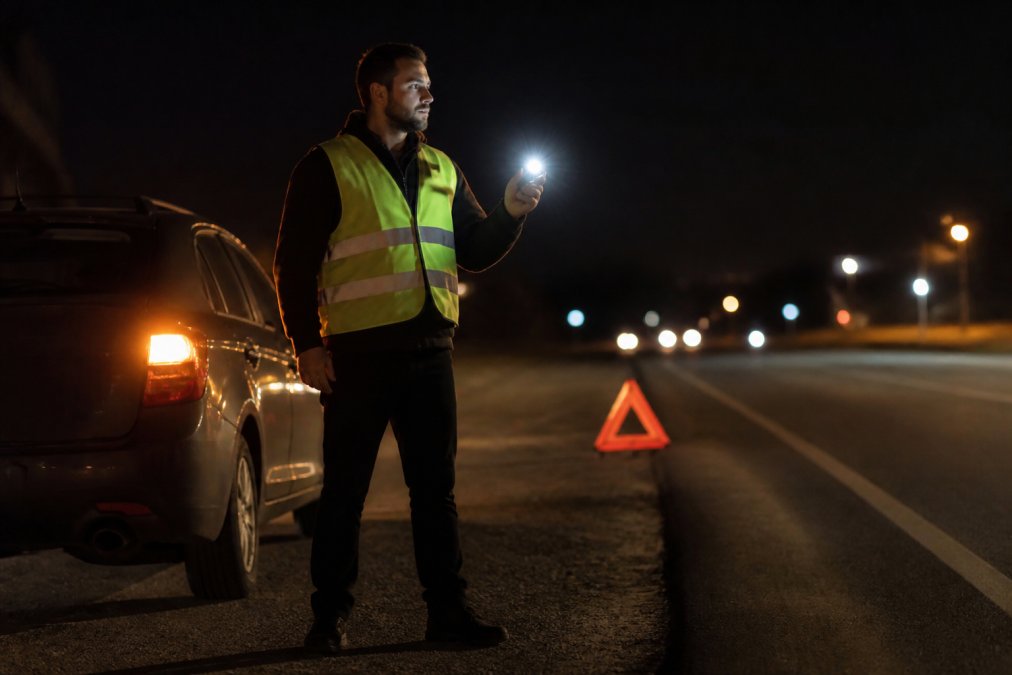
Keep your headlights on if your battery hasn’t failed. This increases your visibility to other drivers. If your headlights won’t work, use your phone’s flashlight or a handheld flashlight to make yourself visible. Stay calm and patient. A tow truck is on its way, and your job right now is to stay safe, not to solve the mechanical problem.
Never accept a ride from a stranger who stops to offer help during a late night breakdown. Call a professional towing service instead. Your safety is worth the wait.
Finding Emergency Towing Services Near Me
When you need emergency towing services near me, you have several options, but not all towing companies offer the same level of reliability or professionalism. The key is knowing where to look and what questions to ask before you’re stranded on the side of the road at 2 AM.
Your phone is your lifeline. Use it to search for local towing services immediately. Look for companies that advertise 24/7 availability and fast response times. Read recent reviews on Google Maps, Yelp, or the company’s website. Pay attention to customer feedback about wait times and professionalism, these matter when you’re stuck on the roadside.
Many insurance policies include roadside assistance coverage. Check your policy documents or call your insurance company directly. They can often dispatch a tow truck immediately and may cover the cost entirely. This is usually your fastest option if you have coverage. Your auto club membership, if you have one, may also include towing benefits.
If you don’t have insurance coverage or roadside assistance, call a local towing company directly. Fast Towing San Diego, for example, operates 24/7 and dispatches trucks quickly for breakdowns across the region. When you call, provide your exact location (use your GPS or ask a passing driver to help identify landmarks), describe your vehicle and the problem, and ask for an estimated arrival time. Confirm that the company can handle your specific vehicle type, some towing services don’t handle motorcycles, exotic cars, or specialty vehicles.
Have your driver’s license and vehicle registration ready when the tow truck arrives. Know where you want your vehicle towed, to a repair shop, your home, or a safe location. If you don’t have a preferred repair shop, ask the towing company for recommendations. Many professional towing services have relationships with trusted repair facilities and can help connect you.
Call for professional towing help immediately if your vehicle won’t start or move. Waiting on the roadside alone creates safety risks that professional help eliminates.
What to Keep in Your Car for Emergencies
Preparation before a late night breakdown happens makes the situation far more manageable. Certain items in your vehicle can mean the difference between a minor inconvenience and a dangerous situation.
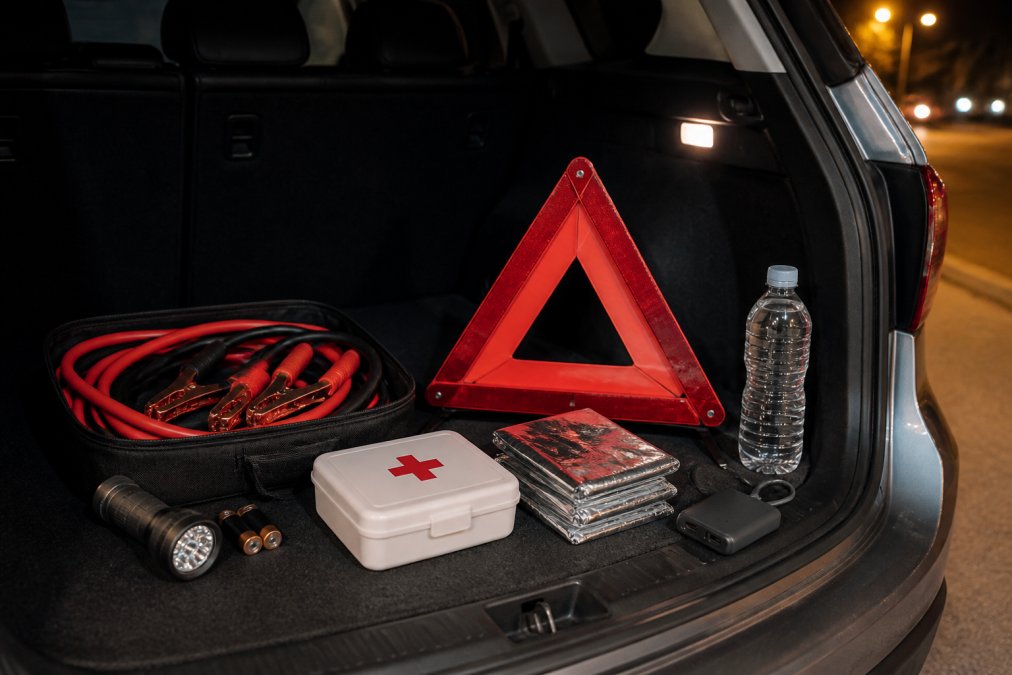
A basic emergency kit should include jumper cables, a flashlight with extra batteries, a first aid kit, reflective warning triangles or flares, a blanket, bottled water, and a phone charger. These items address the most common roadside emergencies and safety needs. Jumper cables can help if your battery dies and another driver stops to help. A flashlight makes you visible and helps you see what’s happening with your vehicle.
Reflective triangles or flares are critical for nighttime safety. Place them behind your vehicle to warn approaching traffic. A blanket keeps you warm if you’re stranded in cold weather and waiting for help. Bottled water prevents dehydration during a long wait. A phone charger, either a car charger or a portable battery pack, ensures your phone stays powered so you can call for help.
Keep a small notepad and pen in your glove compartment. If your phone battery dies, you can write down important information, the towing company’s number, the dispatcher’s instructions, or details about what happened. Include a copy of your insurance information, your mechanic’s contact information, and the phone numbers of trusted family members or friends.
Consider keeping a basic tool kit: a multi-tool or knife, adjustable wrench, screwdrivers, and duct tape. These won’t solve major mechanical problems, but they can help with minor issues. A tire pressure gauge and spare tire (if your car doesn’t have a spare) are essential. Check your spare tire’s condition regularly, a flat spare is useless in an emergency.
Keep your vehicle registration and proof of insurance easily accessible, not buried in a glove compartment. Store them in a document holder attached to your sun visor or in a small folder on the driver’s side door. In an emergency, you’ll need these documents quickly.
Communicate Clearly With the Tow Truck Operator
When the tow truck arrives, clear communication ensures your vehicle is handled correctly and you understand what happens next. The tow truck operator needs specific information about your vehicle and the situation.
Describe what happened: whether your engine won’t start, if there’s a noise or smell, if the transmission failed, or if you hit something. Show the operator any visible damage or fluid leaks. If warning lights appeared before the breakdown, mention them. The operator uses this information to determine the safest way to tow your vehicle and to alert the repair shop about potential problems.
Confirm where your vehicle is being towed. Provide the address or name of the repair shop, your home, or another location. Ask the operator for a receipt and the towing company’s contact information. Get the tow truck’s unit number and the operator’s name. This information helps you track your vehicle and follow up if needed.
Ask about the towing cost if you don’t have coverage. Many towing companies charge by the mile or have flat rates for local tows. Confirm the payment method, cash, card, or insurance billing. If you have insurance coverage, tell the operator immediately so they can bill your insurance directly rather than charging you.
Ask where your vehicle will be parked and how you can access it. If it’s being towed to a repair shop, ask if they’ll contact you with an estimate before starting work. If it’s being towed to your home or another location, confirm the operator knows the address and can access the property safely.
Stay professional and calm. The tow truck operator is there to help. They understand that breakdowns are stressful, especially at night. A courteous interaction makes the process smoother and ensures your vehicle receives proper care.
What Happens After the Tow Truck Arrives
Once your vehicle is loaded onto the tow truck, the next phase begins. Understanding what comes next reduces uncertainty and helps you plan your next steps.
The tow truck operator will secure your vehicle to the flatbed or wheel-lift system. Modern towing equipment is designed to prevent damage, but ask the operator if they’re using any special precautions for your vehicle. If your car has low ground clearance, all-wheel drive, or other special considerations, mention them. The operator will adjust their approach accordingly.
You have two options: ride in the tow truck’s cab or arrange your own transportation. If you ride in the cab, you can ask the operator questions about the towing process and your vehicle’s condition. The operator can also drop you at a nearby location if needed. If you arrange your own transportation, call a friend or family member, or use a rideshare service. Don’t stay on the roadside alone after the tow truck leaves.
During the drive, your vehicle is in the operator’s hands. Professional towing companies handle vehicles carefully to prevent additional damage. If you’re riding along, observe how they operate, this gives you confidence in their professionalism.
At the destination, whether it’s a repair shop, your home, or a storage facility, the operator will unload your vehicle carefully. Inspect it briefly for any new damage and document anything unusual with photos if possible. Get a final receipt from the towing company with the date, time, location, and any charges.
If your vehicle was towed to a repair shop, speak with the shop manager about what needs to be fixed. Ask for a written estimate before work begins. If the shop is unfamiliar, ask about their experience with your vehicle type and their warranty on repairs. This is also when having a professional referral from the towing company becomes valuable, they recommend shops they trust.
Anyone stranded with a vehicle that won’t start, won’t move, or has been in an accident should call professional towing immediately rather than attempting DIY fixes on a roadside.
Conclusion
A late night breakdown is stressful, but staying safe and calling for professional help transforms a dangerous situation into a manageable one. The steps you take in the first few minutes, securing your location, activating hazard lights, and calling for assistance, determine your safety and the outcome of the situation.
Fast Towing San Diego provides 24/7 emergency towing with fast response times, professionally trained drivers, and assistance connecting you with trusted repair shops after your vehicle is secured. Our team has over 100 years of combined experience handling breakdowns across all vehicle types. When you need help during a late night breakdown, professional towing support gets you and your vehicle to safety quickly.
Frequently Asked Questions
What should I do immediately if my car breaks down at night?
First, turn on your hazard lights to make your vehicle visible. If you’re on a highway or busy road, move your car to the shoulder if it’s safe to do so. Turn off the engine and stay inside your vehicle with doors locked. Call for emergency towing services near you right away. Do not attempt repairs on a dark roadway. Keep your phone accessible and your location ready to share with the dispatcher.
Is it safe to stay in my car during a late night breakdown?
Yes, staying inside your locked vehicle is generally safer than standing outside on a roadway, especially at night. Keep your hazard lights on so other drivers see you. Stay alert and watch for the tow truck’s arrival. If you feel unsafe or a stranger approaches, do not open your door or window. Call 911 if anyone threatens you. Only exit your vehicle when the professional tow truck operator arrives.
How can I find 24/7 towing services in an emergency?
Save a reliable towing service number in your phone before you need it. When you break down, call immediately and provide your exact location using landmarks, mile markers, or GPS coordinates. Professional towing services like Fast Towing San Diego operate 24/7/365 and can dispatch a truck quickly. Have your vehicle information ready: make, model, year, and a description of the problem. Ask about their response time and whether they handle your vehicle type.
What emergency supplies should I keep in my car for night breakdowns?
Keep a flashlight with extra batteries, jumper cables, a reflective safety vest, a reflective warning triangle, a basic tool kit, a blanket, bottled water, and a first aid kit. Include a phone charger or portable battery pack. Store a pen and paper to write down important information. Keep your insurance card and roadside assistance number accessible. A small fire extinguisher and jumper cables have saved many drivers. Check these supplies seasonally to ensure batteries work and items are in good condition.