
Table of Contents
- Pre-Trip Vehicle Inspection Checklist
- How to Document Vehicle Condition Before Towing
- Long Distance Car Transport Checklist
- Open vs Enclosed Car Transport: Which Method to Choose
- Weight Distribution, Load Balancing, and Towing Capacity
- Route Planning, Driver Fatigue Management, and Legal Requirements
- Post-Trip Maintenance and Vehicle Recovery
- Frequently Asked Questions
Last Updated: September 27, 2026
Pre-Trip Vehicle Inspection Checklist
How to prepare your car for long distance towing starts with a thorough inspection. Learning how to prepare your car for long distance towing means every critical system needs attention before you hit the road. This isn’t optional, it’s the difference between a smooth trip and a breakdown on the highway.
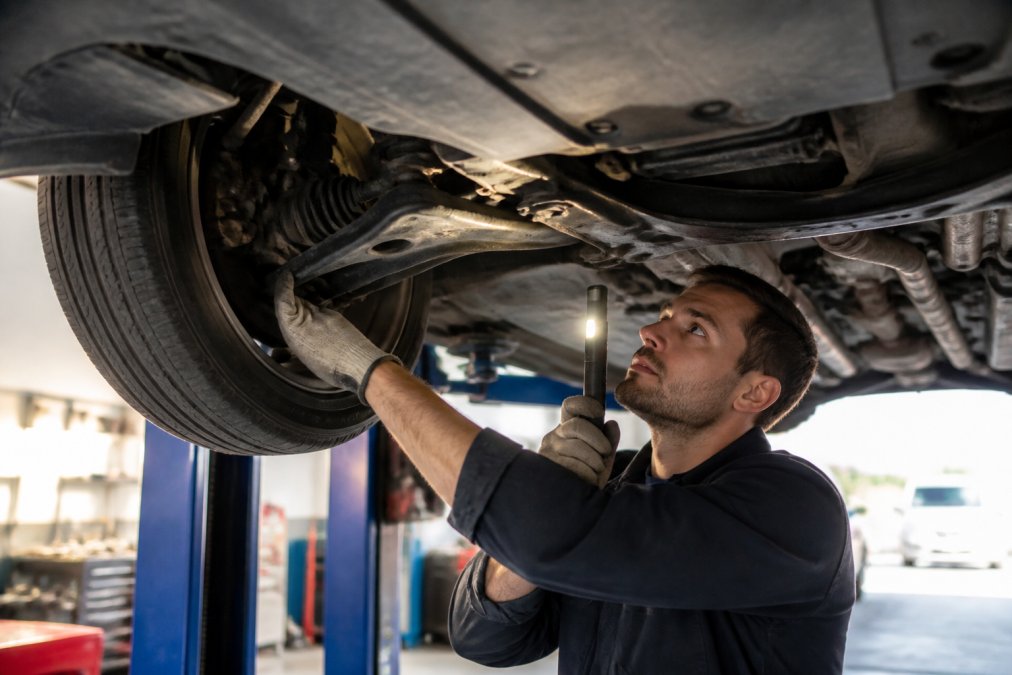
Most drivers skip this checklist, then call for roadside help halfway through a long haul. Most drivers skip this checklist, then call for roadside help halfway through a long haul.
Trailer Bearings and Wheel Condition
Trailer bearings fail silently until they fail completely. Inspect bearing grease for contamination or dryness. If grease looks dark or gritty, the bearing needs repacking, a requirement for safe towing.
Check tire tread depth using the penny test: insert a penny into the tread. If you see the top of Lincoln’s head, tread is too shallow and worn tires will overheat during extended driving.
Verify tire pressure when tires are cold before departure. Underinflated tires generate excessive heat; overinflated tires reduce road contact. Both are dangerous when towing.
Inspect wheel lug nuts for tightness. A single loose lug can cause catastrophic wheel failure. Use a torque wrench to verify proper specifications for your vehicle.
Brake System and Safety Chains
Your brake system carries extra load when towing. It needs to be flawless.
Test brake response before leaving by pressing the pedal firmly for 10 seconds. It should feel solid, not spongy, spongy brakes indicate air in the lines or failing fluid.
Inspect brake pads for thickness. Brake pads under one-quarter inch need replacement immediately. Towing accelerates brake wear dramatically.
Check brake fluid color and level. Dark or cloudy fluid indicates contamination and requires a complete system flush before towing.
Verify safety chains are properly attached and rated for at least 50% of the trailer’s gross vehicle weight rating. Cross chains underneath the tongue for maximum security.
Suspension, Undercarriage, and Hitch Setup
Suspension components bear tremendous stress during long-distance towing. Inspect them carefully.
Check all suspension bushings and springs for cracks or deterioration.
How to Document Vehicle Condition Before Towing
Documenting your vehicle’s condition before towing protects you legally and financially. Take photos from multiple angles (front, rear, both sides, undercarriage) in natural daylight, including wide shots and close-ups of any existing damage.
Long Distance Car Transport Checklist
A long distance car transport checklist ensures nothing gets forgotten. Use this before every long-haul tow.
Pre-departure checks:
- Verify all fluids (oil, coolant, brake fluid, power steering fluid)
- Test all lights (headlights, brake lights, turn signals, clearance lights)
- Confirm tire pressure and tread depth
- Check battery condition and connections
- Test wipers and washer fluid
- Verify fuel tank has adequate supply
Equipment verification:
- Safety chains properly attached and rated
- Hitch secured and torqued to specification
- Brake controller functional and calibrated
- Extended mirrors installed and adjusted
- Reflectors and lights operational on trailer
- Spare tire and jack aboard and accessible
Documentation ready:
- Vehicle photos from multiple angles
- Insurance information and policy numbers
- Contact information for roadside assistance
- Route map and emergency contact numbers
- Vehicle registration and title documents
Open vs Enclosed Car Transport: Which Method to Choose
The choice between open and enclosed towing affects your preparation strategy, equipment needs, and risk profile. Each method demands different pre-trip checks and ongoing monitoring during transport.
Open Towing: Exposure, Preparation, and Risk Management
Open towing exposes your vehicle to weather, road debris, rocks, gravel, rain, snow, and salt air that accelerate corrosion and require post-trip cleaning to prevent paint damage.
Preparation for open towing:
- Inspect and seal all weather stripping around doors and windows. Water infiltration during rain can damage interior components.
- Check that all exterior trim, mirrors, and antennas are secure. Vibration and wind can loosen or detach protruding parts.
- Verify that your fuel door, hood, and trunk latch securely. Vibration can pop open unsecured panels.
- Apply a protective wax coating before departure. This creates a barrier against road salt and UV exposure during the journey.
- Ensure windshield wipers are in good condition and washer fluid is full. You’ll encounter road spray and debris; visibility is critical.
- Check that all lights function. Open trailers offer no protection if a light fails; you must see and be seen clearly.
During open towing:
- Monitor tire pressure and temperature more frequently. Open exposure to sun and wind accelerates tire heating. Check pressure every 150 miles.
- Watch for signs of wind sway, particularly in crosswinds. Adjust your speed and grip on the steering wheel if the trailer begins to drift.
- Avoid driving through deep water or heavy rain. Open exposure means water can enter the vehicle through vents, door seals, or the undercarriage.
Enclosed Towing: Protection, Equipment, and Preparation
Enclosed towing shields your vehicle from weather, road debris, salt, UV damage, and flying debris. It’s essential for high-value vehicles, exotic cars, vintage automobiles, and vehicles with fresh paint. It’s also the safer choice for long-distance hauls over 500 miles.
Preparation for enclosed towing:
- Verify that your vehicle’s dimensions fit within the trailer’s interior space. Measure height, width, and length, accounting for antennas, mirrors, and roof racks. Oversized vehicles may not fit; confirm clearance before commitment.
- Remove or secure any removable exterior accessories. Roof racks, bike carriers, and cargo boxes must be removed or secured inside the vehicle. These items can shift during transport and damage the vehicle or trailer.
- Deflate tires slightly (2-3 psi below normal) if the vehicle will be stored in the enclosed trailer for extended periods. This reduces stress on tires from the vehicle’s weight while stationary.
- Ensure fuel tank is between one-quarter and one-half full. A full tank adds unnecessary weight; an empty tank can allow fuel vapors to accumulate in an enclosed space.
- Leave windows and sunroofs fully closed and locked. Enclosed trailers can develop condensation; open windows allow moisture infiltration.
- Disable any alarm systems or motion sensors. Vibration and movement during transport can trigger false alarms, draining the battery.
During enclosed towing:
- Enclosed trailers reduce visibility of your vehicle during transport. You cannot monitor its condition visually. Request periodic check-ins from the transport operator if the haul exceeds 1,000 miles.
- Ensure the trailer’s ventilation system is functioning. Poor ventilation can trap moisture, leading to condensation and mold inside the enclosed space.
- Confirm that the trailer’s tie-down system is properly rated for your vehicle’s weight. Improper securing can allow the vehicle to shift during braking or cornering.
Choosing Between Methods
A vehicle worth more than $30,000 benefits from enclosed protection. For vehicles worth $15,000-$30,000, weigh the cost of enclosed transport against cosmetic damage risk. Winter towing demands enclosed protection regardless of value. Long-distance summer towing (over 500 miles) benefits from enclosed protection. If your route includes severe storms, high winds, or heavy rain, enclosed towing is safer.
Weight Distribution, Load Balancing, and Towing Capacity
Improper weight distribution causes sway, jack-knifing, and loss of control, the most common cause of towing accidents. Know your vehicle’s towing capacity from your owner’s manual or door jamb sticker and never exceed it.
Route Planning, Driver Fatigue Management, and Legal Requirements
Long-distance towing requires choosing safe routes, managing driver health, and understanding legal obligations.
Choosing Safe Routes and Using Navigation Tools
Avoid mountain passes and steep grades when possible, steep descents cause brake fade from constant braking. Use GPS navigation apps designed for towing (not Google Maps or Waze) to identify low-clearance bridges, weight-restricted roads, and truck-friendly routes.
Driver Fatigue: Physiology, Legal Limits, and Rest Protocols
Fatigue is the leading cause of long-distance towing accidents. A driver awake for 18+ hours has reaction times equivalent to someone with a blood alcohol level of 0.08%, the legal limit for impairment.
Legal Requirements and Insurance Obligations
Long-distance towing triggers legal and insurance requirements that vary by state and trailer weight. Ignoring these creates liability exposure and potential fines.
Licensing and Endorsements
Trailer Registration and Permits
Insurance Coverage and Liability
State-Specific Regulations
Documentation and Roadside Compliance
Post-Trip Maintenance and Vehicle Recovery
Inspect your vehicle immediately upon arrival for new damage, fluid leaks, or warning lights. Compare to your pre-trip documentation and report any new damage to your insurance company promptly.
Frequently Asked Questions
What should I remove from my car before long distance towing?
Remove all personal items, loose objects, and aftermarket accessories. Take out phone chargers, GPS units, floor mats, and anything that could shift or fall during transport. Secure or remove roof racks, spoilers, and custom mirrors. Leave the car empty except for essential documentation. This protects your belongings and prevents damage to the vehicle’s interior during the journey.
How do I check my car for damage before towing?
Perform a thorough walk-around inspection: check all four tires for proper inflation and visible damage, inspect lights and reflectors, examine the undercarriage for leaks or loose components, and test brakes and steering. Take high-resolution photos from multiple angles, including the odometer reading. Document any existing dents, scratches, or mechanical issues. This creates a baseline for comparison when the vehicle arrives at its destination.
Should I leave my car in neutral when it is being towed?
For flatbed towing, place the transmission in Neutral and set the parking brake. For wheel-lift or dolly towing, consult your vehicle’s manual, some require Neutral, others require Park. Always disable the parking brake if the vehicle is being towed with its wheels on the ground. Leaving it in Neutral reduces strain on the transmission during transport and helps prevent mechanical damage.
What documents do I need for long distance vehicle transport?
Gather your vehicle’s title or registration, proof of insurance, and a signed bill of lading from the towing provider. Keep photos of the vehicle’s condition before transport. If transporting across state lines, verify that your documentation complies with interstate commerce regulations. Have the driver’s license and commercial driver’s license information ready. These documents protect you legally and establish clear responsibility if issues arise during transport.
Long-distance towing demands preparation, not luck. Most drivers discover problems only after they’ve broken down on the highway. The checklist above prevents that scenario. Fast Towing San Diego’s team has 100+ years of combined experience handling every towing situation, but the best tow is the one you prevent through proper preparation. Get your vehicle inspected by a professional before your next long-distance journey, and you’ll arrive safely.