
Table of Contents
- The Real Cost of 24-Hour Emergency Towing
- Emergency Towing vs. Regular Towing: What’s the Difference?
- Calculating 24-Hour Towing Cost Against Breakdown Risk
- What Constitutes a Reasonable Towing Fee?
- Roadside Assistance Memberships vs. Pay-Per-Use Services
- Key Questions to Ask a Towing Company Before You Need Help
- The Verdict: When 24-Hour Emergency Towing Is Worth It
- Frequently Asked Questions
Last Updated: October 6, 2026
The Real Cost of 24-Hour Emergency Towing
When your car breaks down at 2 AM on a remote stretch of highway, the question isn’t whether you need help, it’s what that help will cost you. At Fast Towing San Diego, we’ve learned that the real decision isn’t about the towing service itself. It’s about whether paying upfront for 24-hour emergency towing saves you money compared to paying per incident when disaster strikes.
The math seems straightforward: a membership fee versus a single service call. But the actual calculation depends on your vehicle’s reliability, how often you drive in risky conditions, and what happens when you’re stranded without coverage. Most drivers underestimate their breakdown risk. They assume their car will hold up, then panic when it doesn’t.
Here’s what matters: understanding whether 24-hour emergency towing protection is worth the cost for your specific situation. The answer isn’t the same for everyone, but the framework for deciding is.
Emergency Towing vs. Regular Towing: What’s the Difference?
Emergency towing is dispatch-on-demand service available around the clock, designed to reach you quickly when your vehicle fails unexpectedly. Regular towing typically refers to scheduled, daytime service, you call ahead, arrange a time, and a truck arrives during business hours.
The key difference is immediacy. Emergency towing prioritizes speed. A dispatcher answers your call at midnight, logs your location, and dispatches the nearest available truck. Regular towing assumes you can wait. You might call a shop in the morning and schedule pickup for the afternoon.
The operational cost difference is substantial. Emergency services maintain drivers on rotation 24/7. They staff dispatch centers all night. They position vehicles across wider service areas to hit response-time targets. Regular towing operates leaner, drivers work day shifts, dispatch is minimal, and trucks return to a central lot at night.
That operational overhead flows directly into pricing. A single emergency tow without membership typically costs significantly more than scheduling the same tow during business hours. Add in the stress of being stranded, the safety risks of waiting on a dark highway, and the uncertainty about whether help will actually arrive, and you start to understand why some drivers pay for membership peace of mind.
The real question isn’t the difference between the two services. It’s whether you’re likely to need the emergency version at all.
Calculating 24-Hour Towing Cost Against Breakdown Risk
This is where most guides go vague. They say “it depends” and leave you guessing. Let’s be more precise.
Start with your vehicle’s reliability. A 2020 sedan with regular maintenance has a different breakdown risk than a 2008 truck with 180,000 miles. Check your service history.
Next, consider your driving patterns. Highway commuting at night carries higher risk than short city trips during daylight. Extended road trips expose you to longer distances from home. Bad weather increases mechanical failures.
Calculate your personal breakdown probability. If you’ve had one breakdown in three years and drive moderately, your estimated annual breakdown risk is roughly 30-40% over a five-year window. If you’ve had no breakdowns and drive carefully, it’s closer to 10-15%.
Now factor in the cost of a single emergency tow. Without membership, a typical emergency tow runs higher than a daytime tow. Add in the possibility of multiple tows in a year, a breakdown, a flat tire, a lockout, and your out-of-pocket exposure compounds.
Membership costs vary. Some roadside assistance plans charge annual fees; others charge monthly. The real comparison is annual cost versus your expected annual out-of-pocket towing expenses if you self-insure.
But here’s what most people miss: the real value isn’t just the towing cost. It’s the peace of mind of knowing help is guaranteed, the reduced stress of not negotiating price while stranded, and the protection against catastrophic costs if you need multiple tows in a year.
What Constitutes a Reasonable Towing Fee?
Before deciding whether membership is worth it, you need to understand what you’d actually pay without it. Towing fees vary based on several factors, and knowing the reasonable range helps you spot price gouging and evaluate membership savings.
Distance is the primary cost driver. A five-mile tow costs less than a fifty-mile tow. Most towing services charge a base fee for dispatch and hookup, then add per-mile charges. A reasonable base fee ranges from moderate to higher depending on service tier.
Vehicle type affects pricing. Towing a compact sedan costs less than towing a heavy truck, SUV, or specialty vehicle like a motorcycle or exotic car.
Time of day and urgency matter. A daytime tow during business hours is cheaper than a 3 AM emergency tow. After-hours service, night dispatch, and guaranteed rapid response all increase cost. This is where membership value becomes clear, you pay a flat annual fee instead of emergency pricing for each incident.
Service provider reputation and location affect rates. Established, well-reviewed services typically charge more than fly-by-night operators. Fast Towing San Diego’s pricing reflects our 100+ years of combined team experience and our commitment to rapid response.
A reasonable towing fee should be transparent. The provider should quote you a base fee and per-mile rate upfront. If they’re vague about pricing or quote dramatically higher rates than competitors, that’s a red flag.
Roadside Assistance Memberships vs. Pay-Per-Use Services
The membership versus pay-per-use decision is where most drivers get stuck. Both have legitimate advantages depending on your situation.
Membership roadside assistance (like AAA or through insurance providers) offers predictable costs. You pay an annual or monthly fee upfront, and towing is included within certain limits, typically a mileage limit per tow and a maximum number of tows per year. The advantage is certainty. You know exactly what you’re paying. When you need help, there’s no negotiation about cost. The disadvantage is that you’re paying for coverage you might never use.
Pay-per-use emergency towing (calling a local provider like Fast Towing San Diego directly) means you only pay when you need service. There’s no membership fee eating into your budget if your car stays reliable. The disadvantage is uncertainty. You don’t know the final cost until you call, and emergency pricing can be significantly higher than daytime rates.
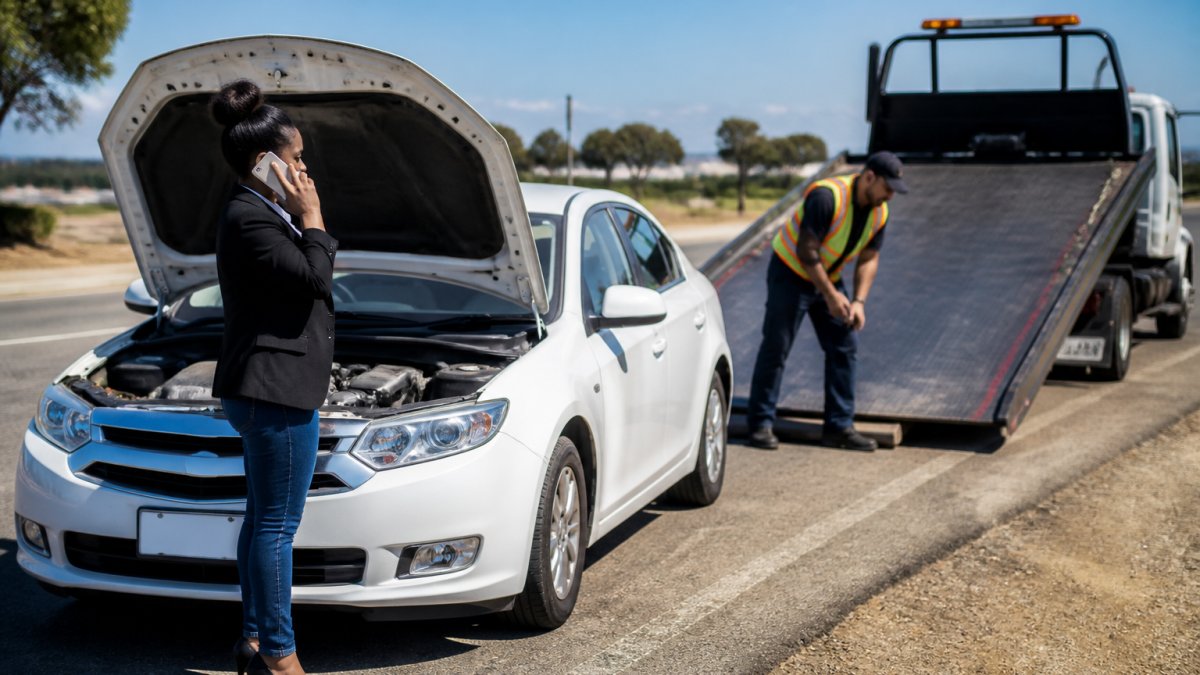
Here’s the practical breakdown:
| Option | Cost Structure | Best For | Key Limitation |
|---|---|---|---|
| Membership (AAA, insurance add-on) | Annual/monthly fee | Drivers with moderate breakdown risk who want predictability | Often includes mileage caps or tow limits |
| Pay-per-use (direct provider) | Per-tow charge, higher at night | Drivers with very reliable vehicles or minimal driving | Emergency pricing is significantly higher |
| Fast Towing San Diego 24/7 Service | Flexible response, transparent pricing | Drivers needing guaranteed rapid response and professional handling | No membership required; pay for service when needed |
The membership model works best if you value predictability and want to eliminate negotiation during a stressful situation. The pay-per-use model works best if you drive a reliable vehicle and want to avoid paying for coverage you won’t use. Fast Towing San Diego offers the flexibility of pay-per-use with the reliability of 24/7 availability, you call when you need help, and our professionally trained drivers respond rapidly.
Key Questions to Ask a Towing Company Before You Need Help
Don’t wait until you’re stranded to vet your towing provider. Ask these questions now, when you can think clearly and compare options.
What’s your average response time? A company that claims 15-minute response times should back that up with data. Fast Towing San Diego maintains rapid dispatch because we position vehicles strategically and staff dispatch 24/7.
What’s included in your standard tow, and what costs extra? Understand the base fee, per-mile charges, and any surcharges for specialty vehicles, flatbed service, or after-hours calls.
Do you handle specialty vehicles? If you drive a motorcycle, exotic car, RV, or boat, confirm the provider has the equipment and expertise. Not all towing services can safely transport specialty vehicles.
What happens if I need a tow to a shop that’s far away? Some providers charge extra for long-distance tows or have mileage limits.
Are you available 24/7, and is there a premium for after-hours service? Some companies claim 24/7 availability but charge significantly more for night calls. Others include after-hours service in their standard rate. Clarify this upfront.
Do you offer other roadside services? Tire changes, jump starts, lockout assistance, and fuel delivery expand the value of your relationship with a provider. Fast Towing San Diego includes comprehensive roadside help, not just towing.
Can you help me find a repair shop? After a breakdown or accident, you need a trustworthy repair facility. Ask whether the provider has partnerships with local shops and can recommend reputable options.
The Verdict: When 24-Hour Emergency Towing Is Worth It
After weighing cost, reliability, and peace of mind, here’s when paying for 24-hour emergency towing makes financial sense.
It’s worth it if: You drive an older vehicle with a history of occasional breakdowns. You commute on highways, especially at night or in bad weather. You take frequent road trips. You drive an exotic or specialty vehicle that requires professional handling.
It’s probably not worth it if: Your vehicle is newer and well-maintained with zero breakdown history in the past three years. You drive only short distances locally during daylight hours. You have a trusted friend or family member who can pick you up if needed.
The real answer depends on your personal risk tolerance. Some drivers sleep better knowing help is guaranteed. Others are comfortable self-insuring and paying per incident. Both approaches are rational, it’s a question of your priorities.
At Fast Towing San Diego, we’ve learned that most drivers underestimate their breakdown risk. We’re available 24/7/365 because emergencies don’t follow business hours. Our professionally trained drivers have over 100 years of combined experience.
Whether you choose membership with another provider or pay-per-use with us, the key is having a plan before you need it. Don’t wait until 2 AM on a dark highway to figure out who to call.
Get started with Fast Towing San Diego and have professional, reliable 24/7 roadside assistance when you need it most. Call us for rapid response, backed by our commitment to getting you back on the road safely.
Frequently Asked Questions
Is emergency roadside assistance worth the cost?
Whether emergency roadside assistance justifies its cost depends on your vehicle’s age, reliability, and how often you drive long distances. Older vehicles with higher breakdown risk benefit more from 24-hour emergency towing coverage. If your car is less than five years old and well-maintained, the odds of needing emergency assistance may be lower. Calculate your personal risk by considering past breakdowns, commute frequency, and whether you regularly travel remote routes where help is scarce. Compare annual membership fees against the cost of a single emergency tow, if one incident could exceed the yearly membership, coverage makes financial sense.
What factors affect the cost of an emergency tow?
Emergency towing costs vary based on several factors: distance traveled (most services charge per mile or offer mileage limits), time of day (after-hours service typically costs more), vehicle type (heavier vehicles or those requiring specialized equipment cost more), and destination (towing to a repair shop versus a preferred location affects pricing). Additional fees may apply for hookup, labor, or vehicle recovery in difficult situations. Hidden charges sometimes include surcharges for late-night dispatch, fuel fees, or mileage overage beyond membership limits. Always ask about the complete fee structure before authorizing a tow to avoid unexpected out-of-pocket expenses.
Does 24-hour towing cost more than regular towing?
Yes, 24-hour emergency towing typically costs more than standard daytime service. After-hours dispatch, faster response times, and guaranteed availability command premium pricing. However, membership-based roadside assistance plans can spread these costs across a year, making per-incident expenses more predictable. A single emergency tow at 2 AM might cost significantly more than the same service during business hours. If you frequently drive at night or travel unpredictable routes, the convenience and cost certainty of 24-hour coverage often outweighs the higher membership fee compared to paying surprise out-of-pocket charges.
What should I ask a towing company before agreeing to a tow?
Before authorizing a tow, ask: What is the total cost, including all fees and mileage charges? How far will you tow for free under membership, and what are overage charges? What is your average response time, and can you guarantee arrival within a specific window? Do you tow to any repair shop, or only preferred partners? What happens if my vehicle needs specialized handling (exotic cars, motorcycles, boats)? Are you available 24/7, or only during certain hours? Do you handle insurance claims directly, or do I pay upfront? What is your cancellation or change-of-destination policy? Getting these answers upfront prevents billing surprises and ensures the service meets your needs.