
Table of Contents
- What City Fleet Towing Accounts Cover
- How to Set Up a Towing Account for Your City Fleet
- Understanding Towing Service Level Agreements
- Commercial Fleet Roadside Assistance: What You Need
- Preventing Predatory Towing for Fleets
- Managing Towing Costs and Documentation
- Dispatch and Response Times: What to Expect
- Conclusion
- Frequently Asked Questions
Last Updated: August 25, 2026
What City Fleet Towing Accounts Cover
City fleet towing accounts are dedicated arrangements between a municipality and a professional towing provider that cover transportation, recovery, and roadside assistance for government-owned vehicles. Unlike individual towing calls, these accounts establish priority dispatch, pre-negotiated rates, and service commitments aligned with municipal operations and budget cycles.
These accounts typically cover accident recovery, mechanical breakdown assistance, vehicle impound management, emergency roadside support, and vehicle disposition services. Municipalities managing dozens or hundreds of vehicles simultaneously require dispatch coordination that prevents bottlenecks when multiple vehicles fail on the same day. Fast Towing San Diego structures city fleet towing accounts to handle concurrent requests without compromising response times.
Documentation requirements exceed standard towing arrangements. Each service call generates records tied to vehicle identification numbers, driver information, incident locations, and cost codes for municipal accounting. These records support budget justification, maintenance trend analysis, and compliance reporting that city administrators require for fleet oversight.
City fleet accounts often include predefined authorization levels. Drivers may have authority to call for towing without additional approval, but the towing provider coordinates directly with fleet management to prevent unauthorized or duplicate service requests.
How to Set Up a Towing Account for Your City Fleet
Setting up a towing account requires identifying the scope of your fleet: total number of vehicles, vehicle types, geographic service areas, and projected monthly service volume. This information determines whether you need a basic account or a comprehensive service level agreement with guaranteed response times.
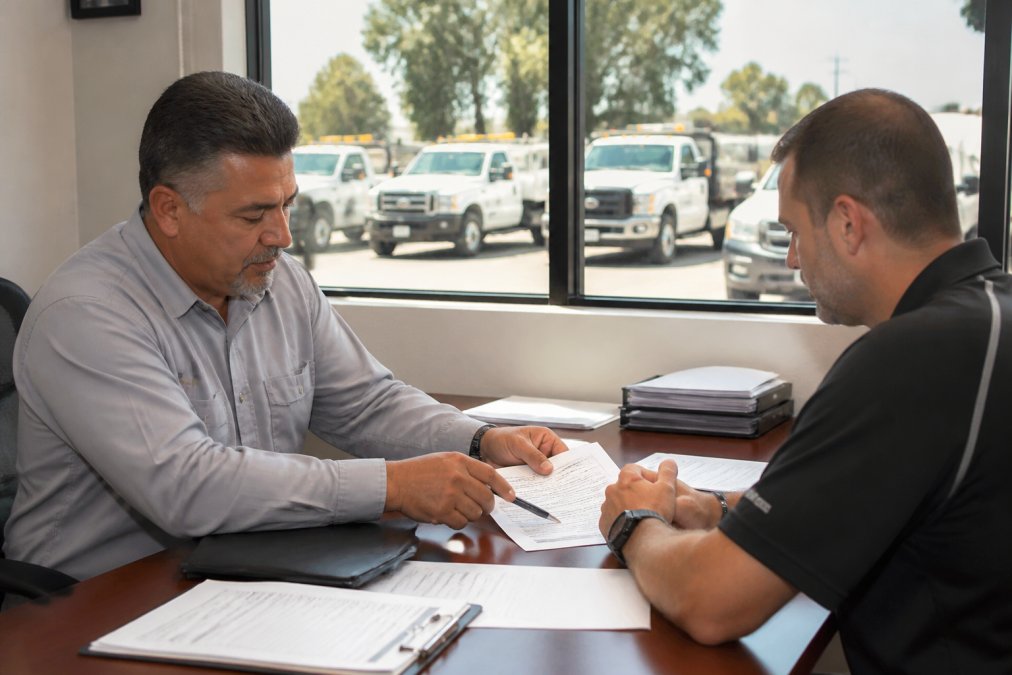
Contact a towing provider with municipal account experience. Fast Towing San Diego has established protocols for city fleet partnerships that simplify onboarding. Initial conversations should cover specific operational needs: 24/7 availability requirements, simultaneous towing capacity, geographic boundaries, and whether specialized vehicles like fire apparatus or heavy equipment are part of your fleet.
The account setup process typically includes a site visit where the towing provider assesses fleet composition, identifies key contact personnel, and establishes communication protocols. This confirms the provider has appropriate equipment for your vehicle types and understands specialized handling requirements.
Documentation during setup includes establishing authorized personnel who can request towing services, defining cost allocation procedures, and creating protocols for emergencies. Your city’s procurement requirements may mandate competitive bidding or formal contract approval. The towing provider should be prepared to work within your municipal purchasing framework and provide necessary insurance certificates and liability documentation.
Service level agreements specify response time commitments, availability guarantees, and escalation procedures if the provider cannot meet demand.
Account setup typically takes 2-4 weeks from initial contact to active service, assuming your city’s procurement process moves smoothly ([naspo.org](https://www.naspo.org/states/)). Budget extra time if competitive bidding is required.
Understanding Towing Service Level Agreements
A service level agreement for city fleet accounts specifies exactly what the towing provider will deliver, when they’ll deliver it, and what happens if they don’t. Unlike casual consumer towing arrangements, SLAs create measurable commitments backed by penalties or service credits if performance falls short.
Core SLA components include response time guarantees, typically ranging from 15 minutes to one hour depending on service tier and geographic area (fta.dot.gov). Response time means dispatch and en route, not necessarily on-scene. Availability commitments specify how many vehicles can be serviced simultaneously and what happens when demand exceeds capacity.
Geographic service areas define which locations receive priority dispatch and which areas might experience longer response times. A city covering 400 square miles might establish zones where central business district vehicles receive 20-minute response commitments while outlying areas receive 45-minute commitments (icma.org).
Cost structures typically include monthly base fees, per-call service charges, and mileage rates. Base fees provide provider revenue stability and guarantee the city priority access to resources. Per-call charges apply to each incident. Mileage rates cover long-distance tows to repair facilities or impound lots.
SLAs without clear escalation procedures create disputes when service fails. Ensure your agreement specifies what happens if the provider misses response time commitments: Do you receive service credits? Can you call a backup provider at their expense? Without these provisions, you have no recourse when performance lapses.
Commercial Fleet Roadside Assistance: What You Need
Roadside assistance for commercial fleets extends beyond basic towing to include jump starts, tire changes, fuel delivery, lockout services, and mechanical troubleshooting that allows vehicles to return to service without requiring a full tow.
The value of comprehensive roadside assistance lies in keeping vehicles operational rather than removing them from service. A police patrol car with a dead battery can often return to duty after a jump start. A public works truck with a flat tire can be repaired on-site if the provider carries appropriate equipment.
Fast Towing San Diego’s roadside assistance includes mobile mechanic services that diagnose common failures and perform emergency repairs. Fuel delivery services address situations where vehicles run out of fuel during operations. Lockout services handle situations where drivers inadvertently lock keys inside vehicles.
Define which services are included in the base fee and which incur additional charges during SLA negotiations. Specify whether roadside assistance is available 24/7 or during limited hours and establish protocols for situations where roadside assistance fails and towing becomes necessary.
Preventing Predatory Towing for Fleets
Predatory towing practices target vehicle owners through aggressive enforcement of parking violations, unauthorized towing from private property, and inflated fees. For city fleet accounts, prevention requires understanding local ordinances and establishing clear policies with your towing provider.
Municipal codes regulate towing practices within city limits. These ordinances typically require proper signage before towing from private property, specific procedures for removing vehicles from public rights-of-way, and limitations on towing fees. Understanding your city’s towing ordinance prevents disputes with your towing provider and protects against unauthorized towing by competitors.
Establish protocols where city fleet vehicles receive courtesy notification and contact with the city before any towing action occurs. Educate fleet drivers about parking regulations and proper vehicle placement to prevent situations where vehicles become targets for aggressive towing enforcement.
Documentation of all towing incidents protects your city from disputes. Your towing provider should furnish detailed records including the reason for towing, location, time, and personnel involved.
Establish a clear chain of command for authorizing towing of city fleet vehicles. Only designated personnel should have authority to request towing, and all requests should be documented. This prevents unauthorized towing and creates an audit trail if disputes arise.
Managing Towing Costs and Documentation
Towing costs represent a significant line item in municipal fleet budgets, making cost management and documentation essential for fiscal accountability. A systematic approach to tracking expenses, analyzing cost patterns, and optimizing your towing account structure directly impacts your city’s bottom line.
Establish a clear cost allocation system where each city department receives billing reports showing which vehicles incurred towing charges, what services were provided, and associated costs. This transparency allows department heads to identify problematic vehicles and make informed decisions about repairs or replacement.
Documentation for each incident should include vehicle identification number, date and time of service, location, nature of the problem, services provided, and cost. This granular documentation supports trend analysis that reveals whether certain vehicle types, model years, or fleet divisions experience disproportionate towing incidents.
Cost analysis often reveals optimization opportunities. If a particular vehicle requires towing three times annually due to chronic mechanical issues, replacing that vehicle might cost less than continued towing and repair expenses.
Negotiate volume discounts that reflect your commitment to a single provider. Cities with large fleets can justify lower per-call rates or reduced mileage charges based on consistent revenue stream. Fast Towing San Diego structures fleet pricing to reward long-term partnerships and predictable volume.
Monthly billing reconciliation ensures charges match your SLA terms. Verify that per-call charges align with agreed rates, response time metrics were met, and service credits for missed commitments are applied.
Implement a cost tracking system that captures towing expenses by vehicle, department, and incident type. This data identifies patterns, justifies budget requests, and supports decisions about fleet composition and maintenance priorities.
Dispatch and Response Times: What to Expect
Dispatch and response time performance directly determines whether your city fleet towing account meets operational needs. Understanding how dispatch systems function and what response time commitments mean prevents misaligned expectations and service disappointments.
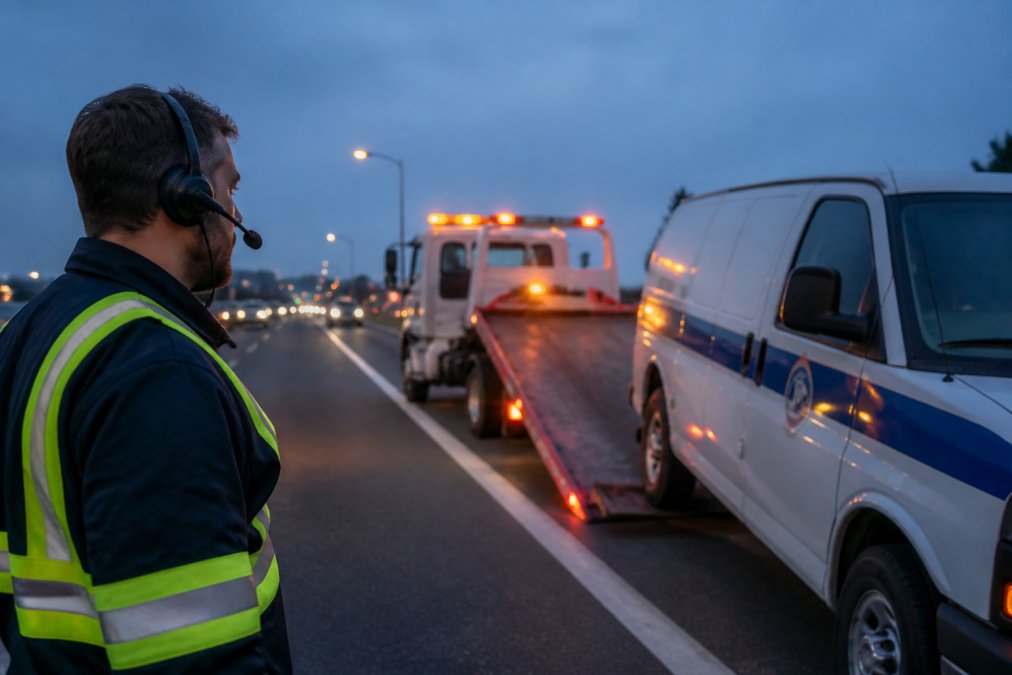
When a city fleet vehicle requires towing, the dispatch process begins with a call to the towing provider’s dispatch center. The dispatcher records the vehicle location, the nature of the problem, and any special requirements. The dispatcher then assigns the call to an available tow truck and communicates the assignment via radio or mobile application.
Response time commitments specify how quickly dispatch occurs, not how quickly the truck arrives on-scene. A 15-minute response time means the dispatcher receives the call, processes information, and assigns a truck within 15 minutes. Actual arrival time depends on the truck’s current location, traffic conditions, and distance to the disabled vehicle.
Geographic dispatch zones optimize response times by positioning trucks strategically across the service area. Dispatch centers serving city fleets typically operate 24/7/365, ensuring vehicles experiencing problems during nights, weekends, and holidays receive prompt attention.
Real-time tracking systems allow dispatchers and fleet managers to monitor truck locations and estimated arrival times. This visibility prevents situations where drivers wait indefinitely without knowing when help will arrive.
Backup dispatch procedures address situations where the primary dispatch center becomes overwhelmed. Your SLA should specify whether calls are automatically routed to a backup center, whether alternative providers are contacted, or whether your city can call additional resources at the provider’s expense.
Conclusion
Establishing a dedicated towing account for city fleet operations transforms how your municipality manages vehicle emergencies and breakdowns. Service level agreements, pre-negotiated costs, and priority dispatch eliminate the uncertainty of calling random towing services and ensure consistent, professional support.
Fast Towing San Diego brings over 100 years of combined experience managing complex fleet operations. Our 24/7 availability, professionally trained drivers, and proven ability to handle concurrent service requests make us the preferred partner for city fleet accounts. With our mobile mechanic services, connections to trusted repair facilities, and transparent cost documentation, we simplify the operational challenges of keeping municipal vehicles on the road.
Frequently Asked Questions
Q: What should fleet managers look for in a 24/7 towing partner?
A: Look for a provider with documented response time commitments, verified 24/7 availability, experience handling multiple vehicle types, and a clear service level agreement. Confirm they maintain adequate dispatch capacity during peak hours, offer dedicated account support, and provide transparent pricing. Ask for references from other city or government fleet accounts to verify reliability.
Q: How do fleet towing accounts differ from standard roadside assistance?
A: Fleet accounts include negotiated rates, priority dispatch, bulk vehicle coverage, dedicated account management, and customized service agreements. Standard roadside assistance typically covers individual vehicles with per-incident fees. Fleet accounts also provide advance documentation of vehicle specifications, authorized repair facilities, and streamlined claims processes designed for municipal operations.
Q: What documentation is required for city-contracted towing services?
A: City contracts require proof of valid wrecker licenses, current insurance coverage, background checks for drivers, vehicle maintenance records, and compliance certifications. You’ll need copies of the service level agreement, authorized towing provider lists, incident reporting procedures, and vehicle disposition protocols. Fleet managers should also maintain records of all service calls, response times, and costs for audit purposes.
Q: What are signs of a predatory towing service?
A: Red flags include extremely high impound fees without clear justification, refusal to provide itemized billing, pressure to use specific repair shops, lack of transparent communication about vehicle location, and unwillingness to discuss rates before service. Predatory operators may also lack proper licensing, ignore dispatch requests, or fail to honor contracted response times. Always verify licensing and check references before signing any fleet agreement.
Managing a city fleet demands reliable partners who understand municipal operations and deliver consistent results. Contact Fast Towing San Diego today to discuss how a dedicated fleet towing account can improve your response times, reduce costs, and provide the professional support your city vehicles deserve.