
Table of Contents
- What Happens After Towing Your Car: The First 24 Hours
- How to Find Your Towed Car
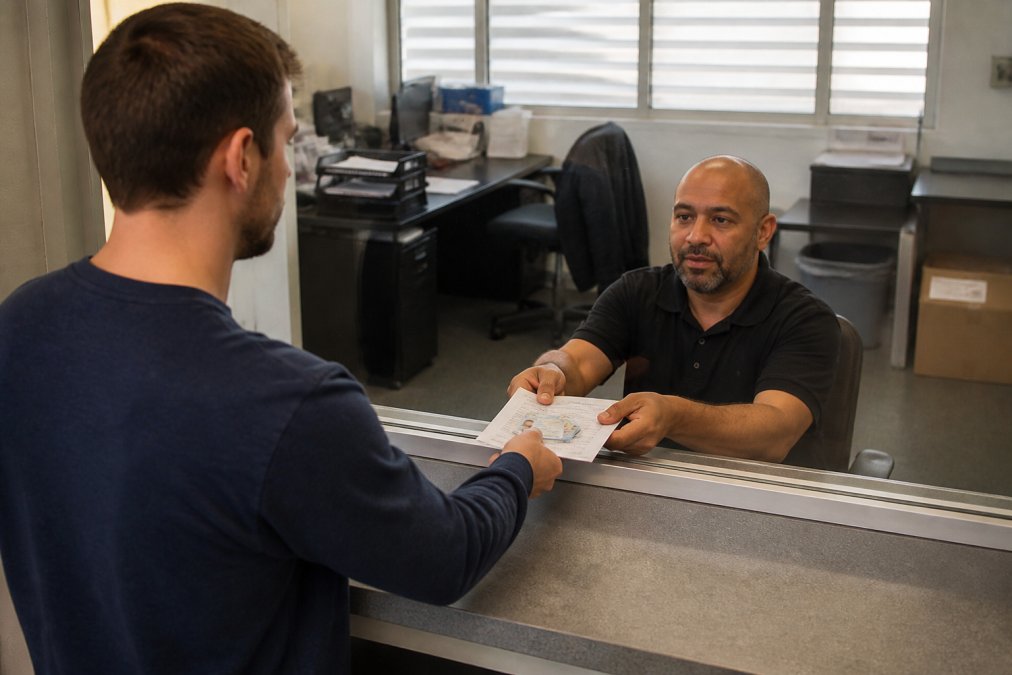
- Vehicle Release Requirements: What Documents You Need
- Understanding Impound Lot Fees and Storage Charges
- Towing Laws by State: Know Your Legal Rights
- Step-by-Step Vehicle Recovery Checklist
- What Happens After Towing Your Car If You Don’t Claim It
- Insurance Coverage and What to Do If Your Car Is Damaged
- Frequently Asked Questions
Last Updated: July 30, 2026
Knowing what happens after towing your car is the difference between a frustrating ordeal and a straightforward recovery process. At Fast Towing San Diego, we’ve guided hundreds of drivers through this situation. This guide covers the full process, from the moment your car disappears to getting it back, including your legal rights and what to do if something went wrong during the tow.
The first call should almost always be to your local police department, not the towing company. Below, we’ll walk through the complete recovery process, cover impound lot fees, outline vehicle release requirements, and address insurance coverage and damage claims.
What Happens After Towing Your Car: The First 24 Hours
The first 24 hours after a tow are the most consequential. Daily storage rates begin accumulating almost immediately, and in many states, the towing company is legally required to notify you within a specific window. Miss that window, and fees compound fast.
Here’s the typical sequence: the towing company transports your vehicle to a licensed impound lot, the tow is logged with local law enforcement or a municipal database, the towing company notifies the registered owner (usually within 24-72 hours), storage fees begin accruing, and a lien process begins if the vehicle goes unclaimed past the legally mandated holding period.
Every day you wait costs you money. Storage charges at impound lots are not negotiable after the fact in most jurisdictions. Acting within the first 24 hours almost always costs less than waiting until day three.
If your car was towed from an accident scene, the towing agency may have been dispatched by law enforcement rather than a company you chose. That distinction affects your rights, the fees you’ll face, and which entity you need to contact first.
Do not assume your car was simply stolen before checking with local police and tow databases. Filing a false stolen vehicle report while your car sits at an impound lot creates legal complications that slow the entire recovery process.
How to Find Your Towed Car
Finding a towed vehicle requires a two-step approach: contact law enforcement first, then use available lookup tools to confirm the location.
Call Your Local Police Department First
Your local police department is the fastest and most reliable starting point. Call the non-emergency line, provide your vehicle identification number, license plate, and the approximate location where the car was last parked. The police department can confirm whether the tow was authorized, which towing company was dispatched, and where the vehicle was taken. This also protects you legally if the tow turns out to be unauthorized.
According to California Department of Consumer Affairs towing rights guide, vehicle owners have the right to request the name and address of the towing company and storage facility from the law enforcement agency that authorized the tow.
Use Online Tow Lookup Tools
Many cities and counties maintain online tow lookup portals. San Diego, for example, uses a searchable database where you can enter your license plate number and retrieve the impound lot address, towing company name, and date of tow. If no online tool is available, contact the parking enforcement division of your city directly.
Vehicle Release Requirements: What Documents You Need
Vehicle release requirements vary by state and by the reason for the tow, but most impound lots require the same core set of documents.
Standard documents required for vehicle recovery:
- Valid driver’s license matching the registered owner’s name
- Current vehicle registration showing you as the owner
- Proof of insurance (some lots require this; others do not)
- Vehicle title if ownership is disputed or the registration has lapsed
- Payment for all towing fees and storage charges (many lots accept only cash or specific card types)
If you are not the registered owner, you will typically need a notarized letter from the registered owner, a copy of their ID, and sometimes a power of attorney depending on the state.
Call the impound lot before you drive there. Confirm exactly which documents they require and which payment methods they accept. Showing up without the right form of payment is one of the most common and easily avoidable delays in the vehicle recovery process.
Understanding Impound Lot Fees and Storage Charges
Impound lot fees are where the real financial pain lives. The towing invoice typically includes multiple line items, each governed by local or state regulations.
Daily Storage Rates and How They Add Up
Daily storage rates at impound lots are set by local towing ordinances and vary by city, county, and vehicle type. Rates accumulate for every calendar day the vehicle sits on the lot, including weekends and holidays. A vehicle left for a week can accumulate fees that rival the value of an older car.
The towing invoice should itemize: the base tow fee, a hook-up or dispatch fee, daily storage charges, and sometimes an administrative processing fee. Request an itemized invoice before paying. You have the right to dispute any charge that does not appear on the towing company’s posted rate schedule, which California law requires to be displayed prominently at the storage facility.
Private Property Tow vs. Public Street Tow: Who Pays?
Private property tows occur when a vehicle is parked on private property without authorization. The property owner or manager initiates the tow. The vehicle owner bears the full cost.
Public street tows are authorized by law enforcement or parking enforcement agencies. These are subject to stricter oversight, posted tow sign requirements, and in many states, a mandatory police hold period during which fees cannot accrue.
| Tow Type | Initiated By | Fee Responsibility | Dispute Process |
|---|---|---|---|
| Private property tow | Property owner | Vehicle owner | Civil claim or state consumer protection agency |
| Public street tow | Law enforcement | Vehicle owner | Police department or municipal hearing |
| Accident scene tow | Law enforcement dispatch | Vehicle owner (insurance may cover) | Insurance claim or towing company |
| Illegal tow | Unauthorized party | Towing company | Police report and civil action |
Towing Laws by State: Know Your Legal Rights
Towing laws vary considerably by state, but federal consumer protection frameworks provide a baseline floor of rights. The key federal reference is the Federal Trade Commission consumer rights on towing, which outlines protections against deceptive towing practices.
California has some of the most detailed towing regulations in the country. California Vehicle Code sections covering towing require that tow signs on private property meet specific size and visibility standards, the towing company notify local law enforcement within one hour of a private property tow, the vehicle owner receive a written invoice before being required to pay, and storage facilities accept cash, major credit cards, or both.
If you are outside California, check your state’s department of motor vehicles or consumer affairs agency for the applicable towing ordinance.
What to Do If You Suspect an Illegal Tow
An illegal tow is one conducted without proper authorization, without required signage, or by a company operating outside its licensed territory. File a report with your local police department immediately, photograph the location where your car was parked including any posted tow signs, request the towing company’s operating license and authorization documentation, contact your state’s consumer protection agency, and if the tow was on private property, request written proof that the property owner authorized the removal.
Do not pay the fees before disputing if you have strong evidence of an illegal tow. Paying in full can be interpreted as acceptance of the tow’s legitimacy in some jurisdictions.
Step-by-Step Vehicle Recovery Checklist
The vehicle recovery process has a specific sequence, and skipping steps creates delays.
Before you leave home:
- Call the police non-emergency line to confirm the tow and get the impound lot address
- Gather your driver’s license, vehicle registration, and proof of insurance
- Check whether you are the registered owner; if not, contact the owner for authorization documents
- Call the impound lot to confirm hours, accepted payment methods, and any additional document requirements
- Contact your insurance company to ask whether your policy covers towing fees or rental expenses
At the impound lot:
- Request a full itemized towing invoice before paying
- Verify that all charges appear on the posted rate schedule
- Inspect your vehicle for damage before signing any release forms
- Document any damage with photos and note it on the release paperwork
- Get a receipt showing the full amount paid and the date of release
After vehicle release:
- If damage is present, file a claim with the towing company and notify your insurer
- If fees seem excessive or unauthorized, contact your state consumer protection agency
- Keep all documentation for at least 90 days in case of a subsequent dispute
Fast Towing San Diego operates 24/7/365. If your vehicle needs to be towed and you want to avoid the impound lot process entirely, our team can coordinate directly with you and help connect you with trusted repair shops in the San Diego area.
What Happens After Towing Your Car If You Don’t Claim It
Unclaimed vehicles follow a legally defined path toward auction or disposal. The timeline varies by state, but the outcome is consistent: the longer a vehicle sits unclaimed, the less control the owner has over what happens to it.
Lien Sales and Vehicle Abandonment Timelines
A lien sale is the legal mechanism by which a towing company or storage facility recovers unpaid fees by selling the vehicle. The process is initiated after the vehicle has been held for a state-mandated period without the owner making contact or paying fees.
In California, the California DMV lien sale process for towed vehicles outlines the specific steps towing companies must follow, including certified mail notification to the registered owner and lienholder. The towing company must attempt to notify the registered owner before initiating a lien sale, the owner retains the right to reclaim the vehicle until the sale is completed but must pay all accrued fees, and if the vehicle sells for more than the outstanding fees, the surplus is held for the owner to claim.
A lien sale notice is not a warning. It is a legal countdown. If you receive one, contact the towing company and your state DMV on the same day to understand your remaining window for vehicle recovery.
Insurance Coverage and What to Do If Your Car Is Damaged
Insurance coverage is the most underexplored part of what happens after towing your car, and it’s where many vehicle owners leave money on the table.
Most standard auto insurance policies include some form of roadside assistance or towing coverage, but the scope varies significantly. Comprehensive coverage may reimburse towing fees if the tow was related to a covered incident. Roadside assistance riders typically cover the cost of the tow itself but not storage charges. Rental expense coverage may apply while your vehicle is being repaired following an accident tow.
If your car was damaged during towing, the towing company’s liability insurance is the primary coverage, not yours. Towing companies operating legally in California are required to carry liability insurance that covers damage caused during the tow. Documenting that damage at the lot, before you drive the vehicle away, is essential to any successful claim.
Steps to take if your car was damaged during towing: photograph all damage in detail before signing the release form, note the damage explicitly on the release paperwork and request a copy, ask the lot attendant for the towing company’s insurance information, file a damage claim directly with the towing company’s insurer, and notify your own insurance company and ask whether your policy provides supplemental coverage.
According to Insurance Information Institute guide to auto insurance coverage, reviewing your policy’s towing and labor coverage before an incident occurs is one of the most practical steps a vehicle owner can take to avoid unexpected out-of-pocket costs. Insurance claims against towing companies can be slow and contentious. Your documentation from the impound lot is your primary evidence.
Dealing with a towed vehicle is stressful, expensive, and time-sensitive. The process rewards preparation and penalizes delay. If you’re in San Diego and need a tow handled by professionals who communicate clearly, show up reliably, and help you navigate what comes next, Fast Towing San Diego is available 24/7/365, backed by over 100 years of combined team experience. Our drivers can connect you with trusted repair shops and walk you through your options after an accident or breakdown. Contact Fast Towing San Diego to get reliable, professional roadside assistance without the runaround.
Frequently Asked Questions
How do I find out where my car was towed?
Start by calling your local police department’s non-emergency line, they maintain a tow log for all vehicles removed from public streets. Give them your license plate number, make, model, and the location where your car was last parked. If it was towed from private property, look for a tow sign posted at the lot, which must by law display the towing company’s contact information. Many cities also offer online vehicle lookup portals through the police department’s website.
What documents do I need to get my car out of impound?
Vehicle release requirements typically include a valid government-issued photo ID such as a driver’s license, current vehicle registration, and proof of insurance. If you’re not the registered owner, you may also need a notarized letter of authorization or the vehicle title. Some impound lots require payment in full before releasing the car, so bring a payment method. Always call ahead to confirm the specific documents that particular towing agency requires before making the trip.
How long can an impound lot hold my car before selling it?
Under most state towing laws, impound lots must provide written notice to the registered owner before initiating a lien sale for an abandoned vehicle. Timelines vary by state but commonly range from 15 to 30 days after the notice is sent. Once a lien sale is completed, you lose ownership of the vehicle. Acting quickly is critical, daily storage rates accumulate fast, and the longer you wait, the more you owe before the car towing process concludes.
Does my car insurance cover towing and impound fees?
It depends on your policy. Comprehensive or roadside assistance add-ons may cover some car towing costs, but most standard auto insurance policies do not cover impound lot fees or daily storage charges. If your vehicle was damaged during the tow, document everything with photos and file a claim immediately, liability may fall on the towing company. Contact your insurance provider as soon as possible to understand your coverage, and ask specifically about rental expenses while your car is being recovered.
What are my rights if my car was towed illegally?
If you believe your vehicle was subjected to an illegal tow, for example, there was no visible tow sign on private property, or proper towing ordinance procedures weren’t followed, you have the right to dispute the tow. Start by filing a complaint with your local consumer protection agency or police department. Many states allow you to request an adjudication hearing to challenge fees. Keep all receipts and documentation, and consider consulting a local attorney if significant costs are involved.
Can I retrieve personal belongings from my car without paying towing fees?
In many states, towing laws require impound lots to allow vehicle owners to retrieve essential personal property, such as medication, car seats, or work equipment, without paying the full towing and storage fees first. However, policies vary by state and towing company. Call the impound lot in advance to ask about their specific procedures. Bring your driver’s license and proof of ownership. Do not attempt to remove items without authorization, as this could complicate your vehicle release process.